Craven Cottage
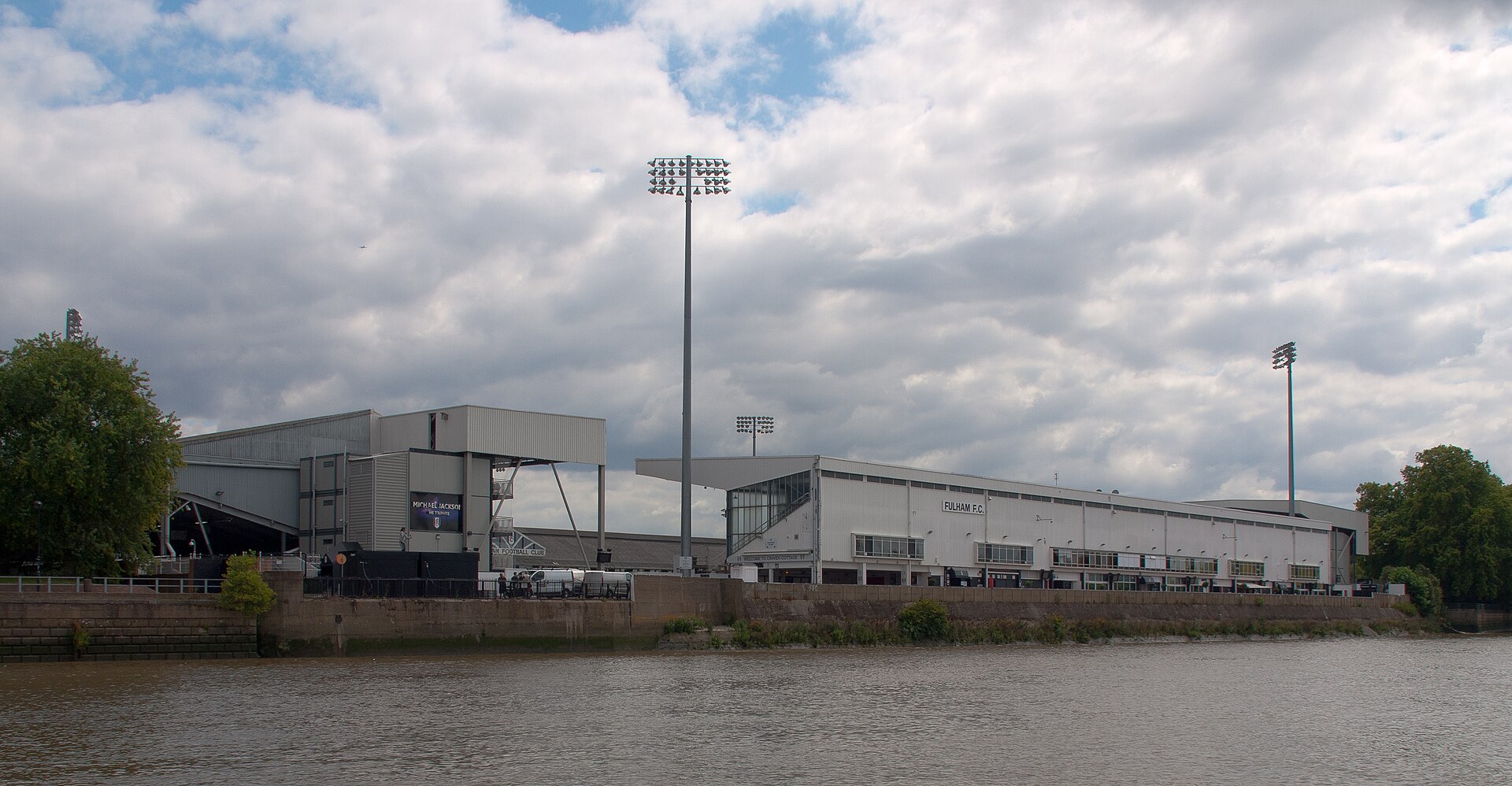
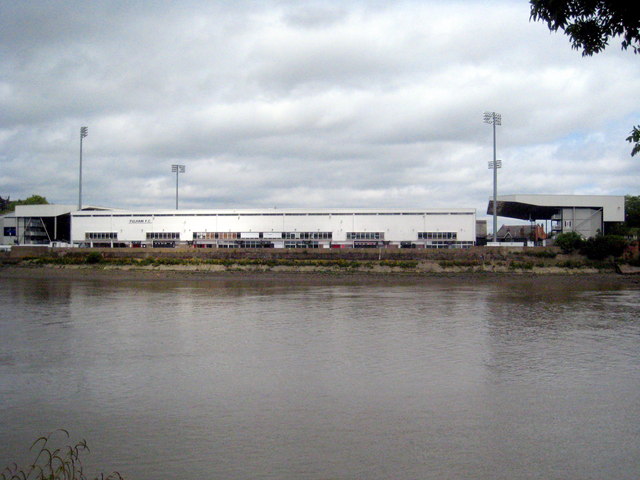
Craven Cottage has spent much of its recent history rebuilding one stand at a time rather than starting over, and the latest phase, on the Riverside side, took from 2019 through to 2025 to finish. The old stand came down, and in its place rose a 30-metre structure with a rooftop deck, a swimming pool and restaurants carrying Michelin recommendations — the kind of fit-out that sits oddly against a ground whose main stand still carries the name of a player, Johnny Haynes, rather than a sponsor. Extending the Thames wall by nine metres to make room for the new build added its own line to the budget, and the whole project ran to roughly £350 million once the hotel and commercial space were counted in.
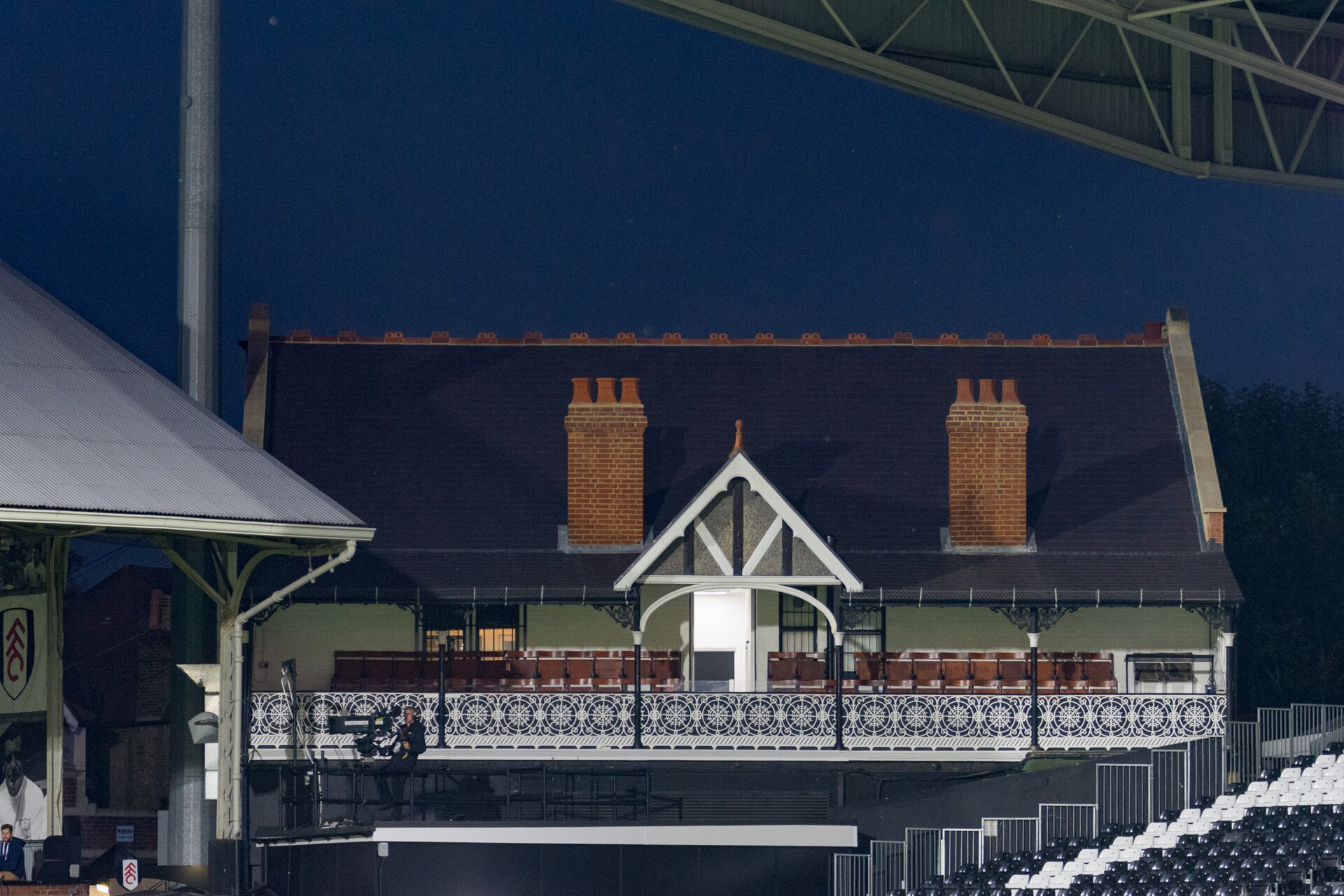
The Johnny Haynes Stand itself, designed by Archibald Leitch and now Grade II listed, predates all of that by more than a century and is the oldest surviving part of the ground. Between the two stands sits a run of history that has little to do with Fulham directly: England beat Wales here in 1907 in a match that handed Wales their first British Home Championship, the 1948 Olympic football tournament passed through, and in 1973 Northern Ireland played a World Cup qualifier at Craven Cottage because the Troubles had ruled out a home fixture. Rebecca Welch took charge of a Fulham match here in December 2023, the first woman to referee in the Premier League.
None of that stopped Fulham having to groundshare at Loftus Road for two seasons in the early 2000s while an earlier rebuild went through, a reminder that turning Craven Cottage over to all-seating was never going to be a quick job either.