Estadio Dr. Lisandro de la Torre
Rosario, Argentina
Formerly: Estadio del Club Atlético Rosario Central, Estadio Antonio Rodenas
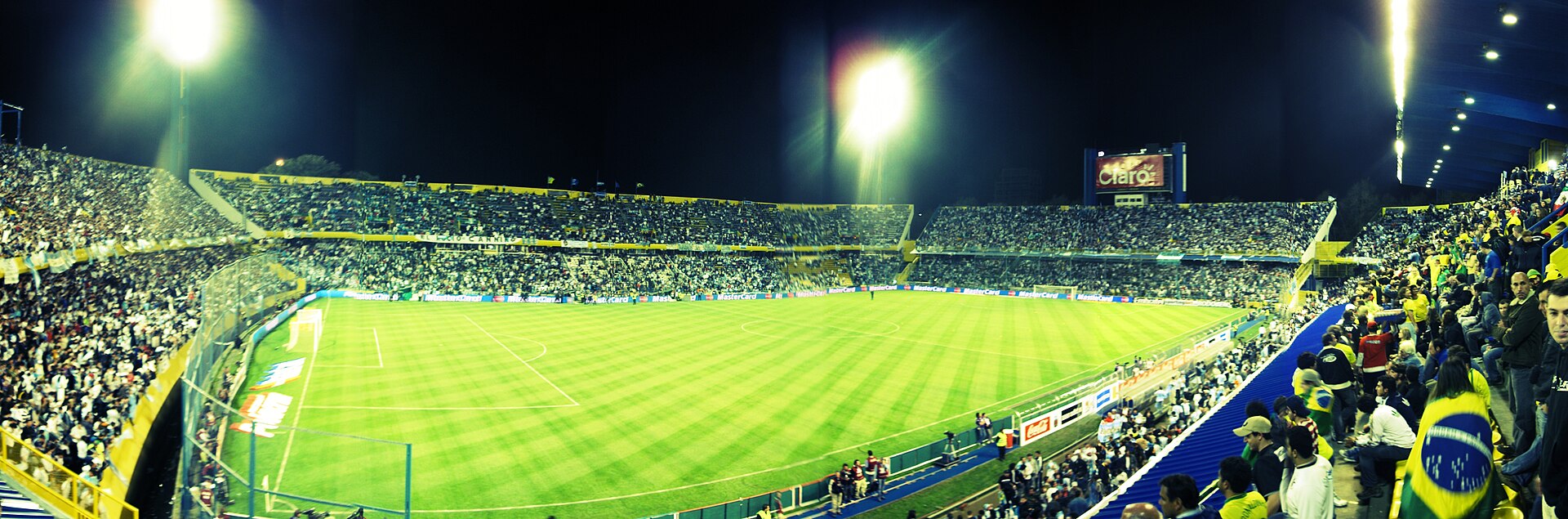
The stands at Arroyito went up the way the neighbourhood built everything else in those years — club members hauling the materials and doing the labour themselves, with no architect's name attached to the work. That improvised beginning is why the ground has two birthdays in circulation: one for the first match played there against Newell's Old Boys, another for the concrete terracing that followed and was opened against Peñarol.
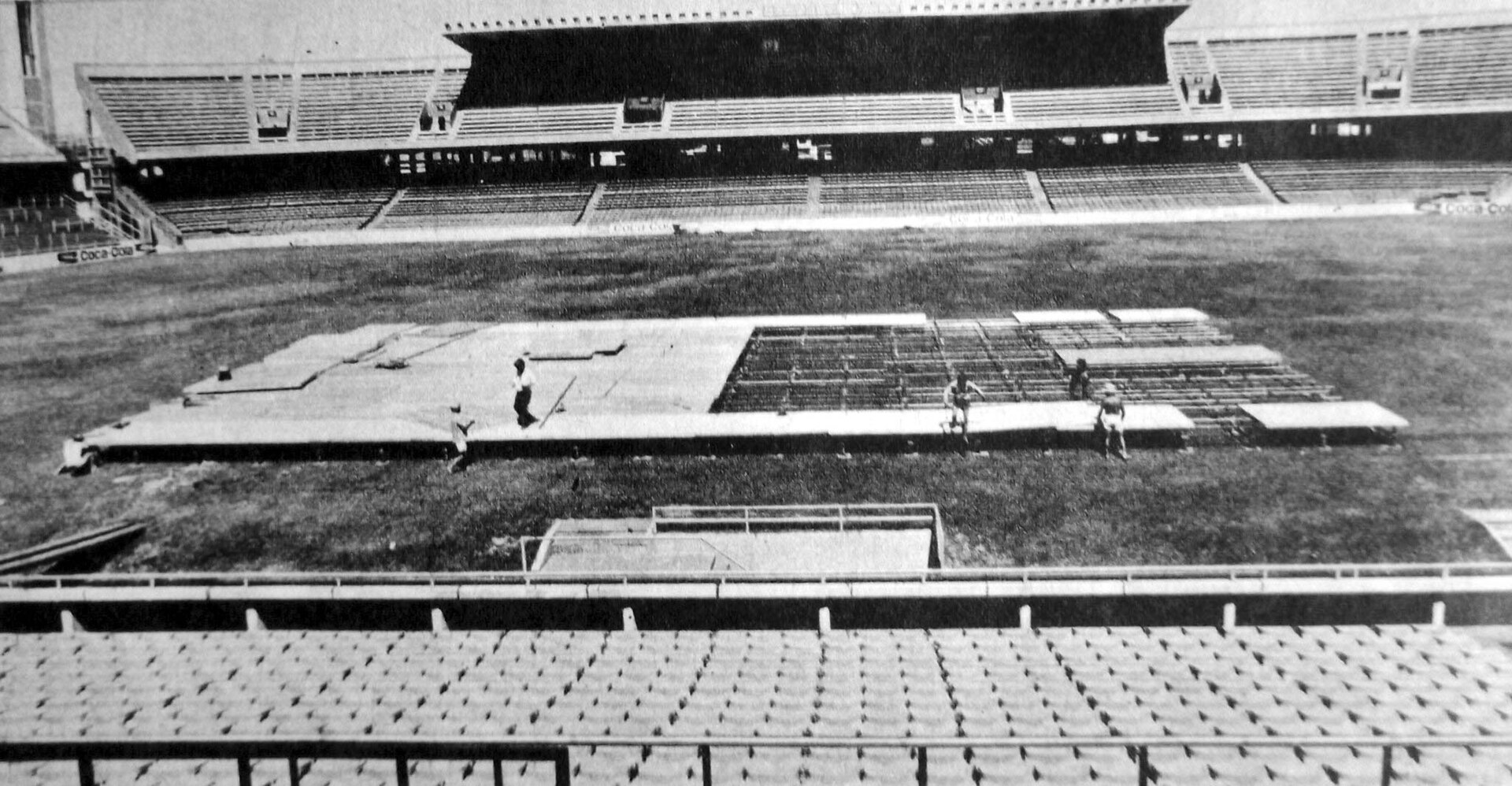
Ahead of the 1978 FIFA World Cup, the state body set up to run the tournament, EAM 78, closed the upper ring of stands, taking capacity past forty thousand. The club had already put money into the project by a route that says something about how it operated.
For a ground that belongs to Rosario Central, it has spent a good deal of its life hosting other people's decisive nights. The second leg of the 1988 Copa Libertadores final was played here between Boca Juniors and Independiente; four years later the same fixture in the competition brought São Paulo against Newell's — Central's neighbours, in Central's stadium. Two Copa Conmebol finals followed in the 1990s.
The name changed twice in quick succession in the early nineties before settling. Queen played here in 1981, and the pitch and floodlights were reworked again in 2024. When the Clásico Rosarino came round in August 2025, the attendance was around 52,000.