Grbavica Stadium
Sarajevo, Bosnia and Herzegovina
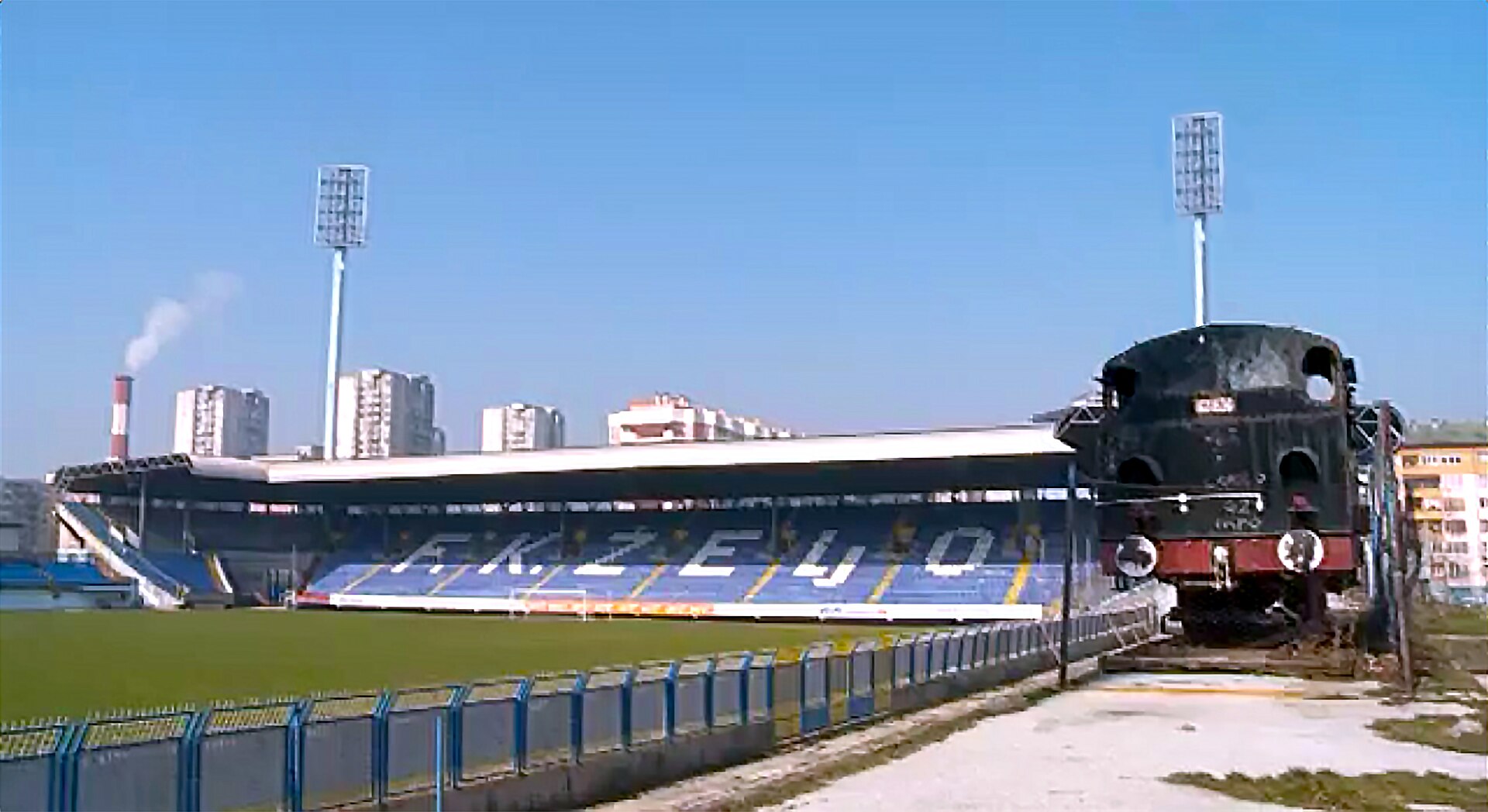
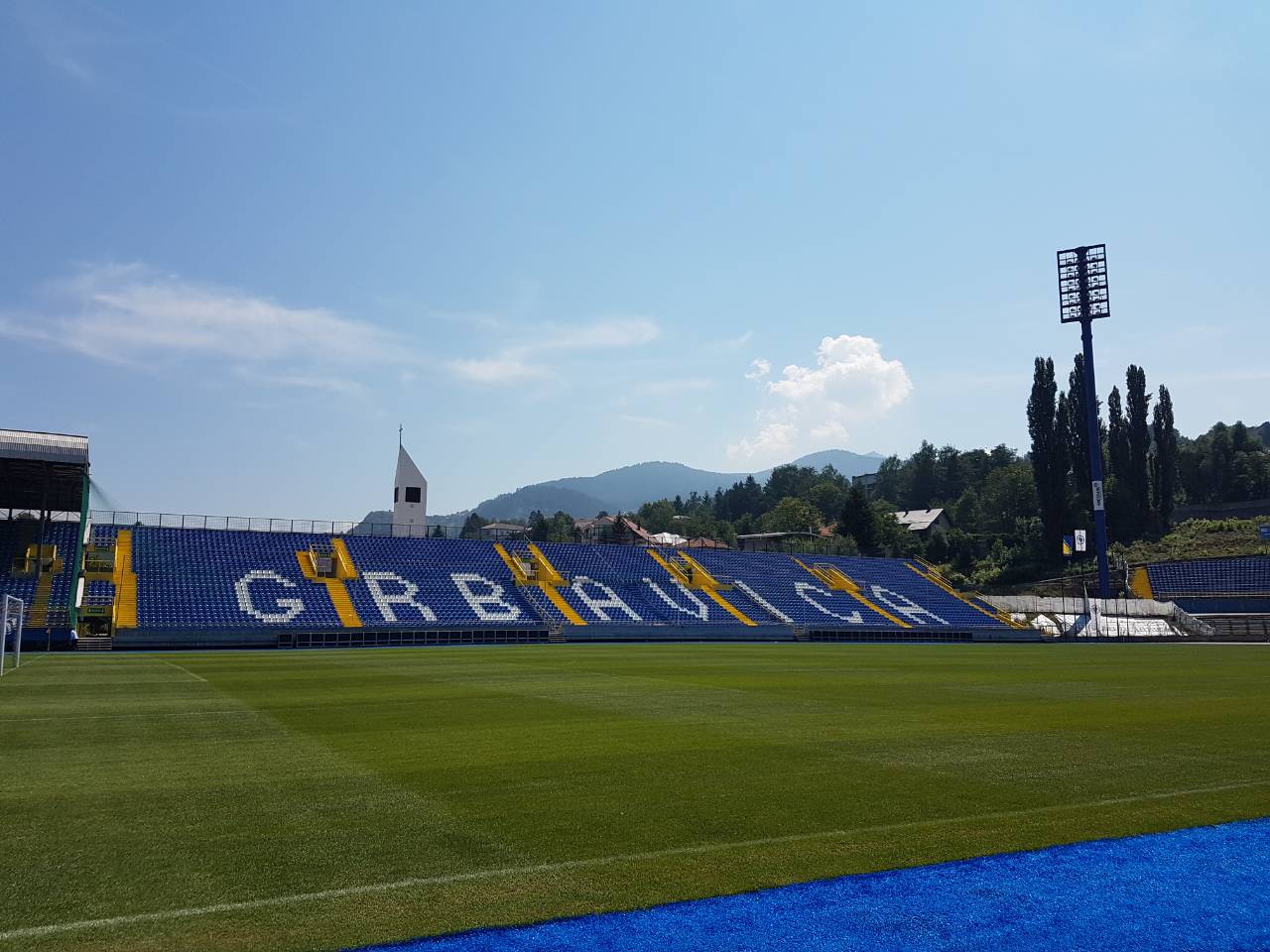
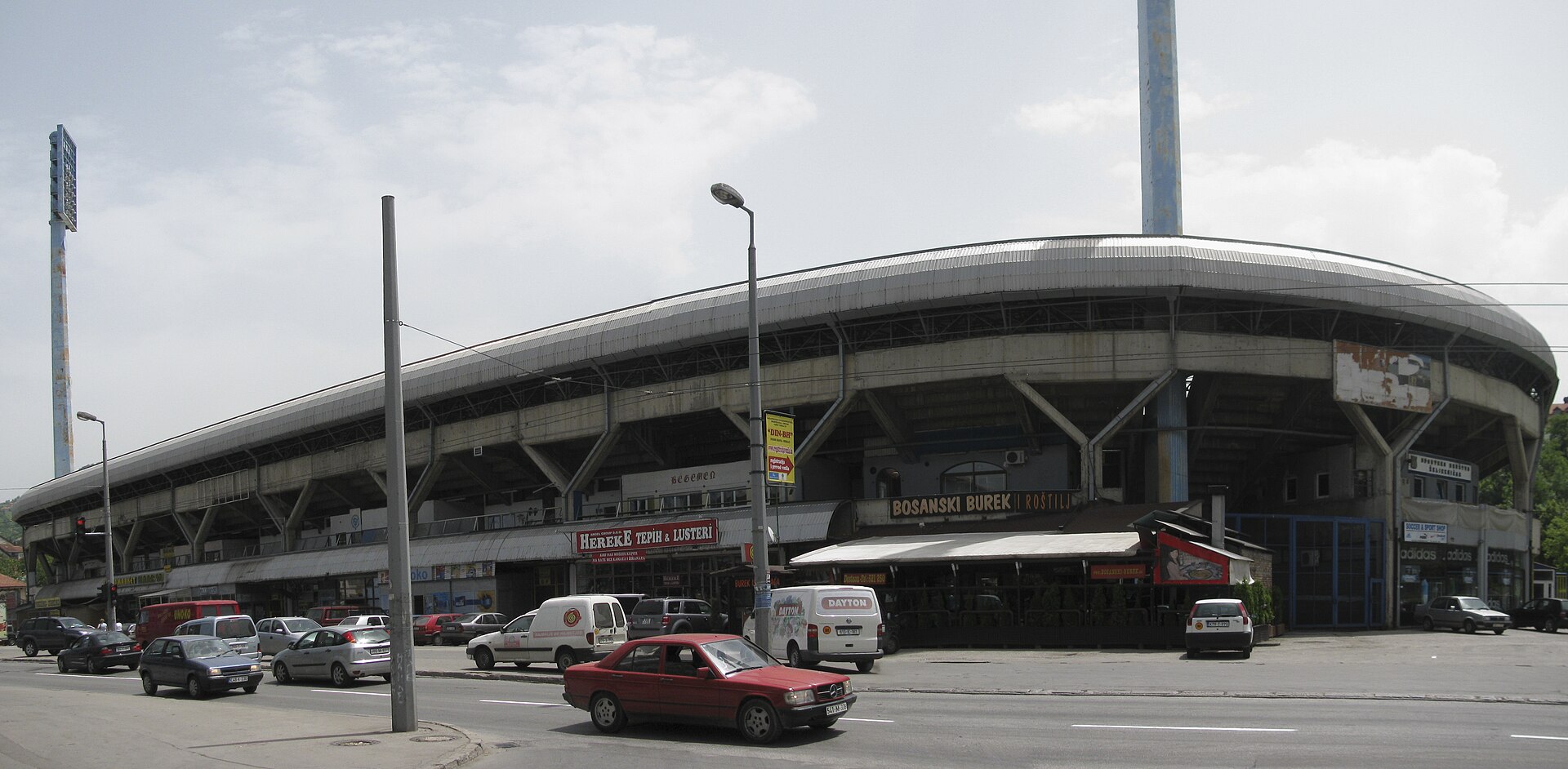
Stadion Grbavica was not built by the state. It was dug out of the ground by the members of the Workers' Sports Association Željezničar and their supporters, who undertook a labour action that began in 1949, involving club members, fans and Yugoslav People's Army personnel. The original western stand came from the nearby 6. april stadium on Marijin Dvor. It officially opened on September 13, 1953.
The ground is the home of FK Željezničar Sarajevo, and it is widely known by the nickname Valley of Jars. The playing surface is hybrid grass. The official seating capacity is 13,057. The address is Ulica Zvornička 27, Sarajevo.
The stadium holds the official highest attendance record at 27,000 spectators, set on April 24, 1985. That match was a UEFA Cup semi-final return leg against Videoton FC. Željezničar led 2–0 late in the game but conceded a last-minute goal, losing 2–1 on the night and 3–3 on aggregate, which eliminated them on away goals and denied them a spot in the final against Real Madrid.
During the Siege of Sarajevo from 1992 to 1996, the stadium was located on the front line. The wooden western stand was burned down, and the stadium was mined. Approximately 316 trophies were destroyed in the fire. The stadium was not used for football between 1992 and 1996. On February 13, 2012, a section of the roof above the west stand collapsed due to heavy snowfall and poor maintenance exacerbated by war damage.
The most significant recent renovation involved the construction of a new eastern stand, completed in 2017, and a roof over it, completed in 2020. The renovation cost was reported as over 2 million euros. Unlike previous state-funded projects, this renovation was largely funded by club supporters through a ten-year ticket project, with additional donations from local businesses and former players, including Edin Džeko and Mix Diskerud.