Levadias Stadium
Levadia, Greece
Formerly: Levadia Municipal Stadium, Stadio Livadias
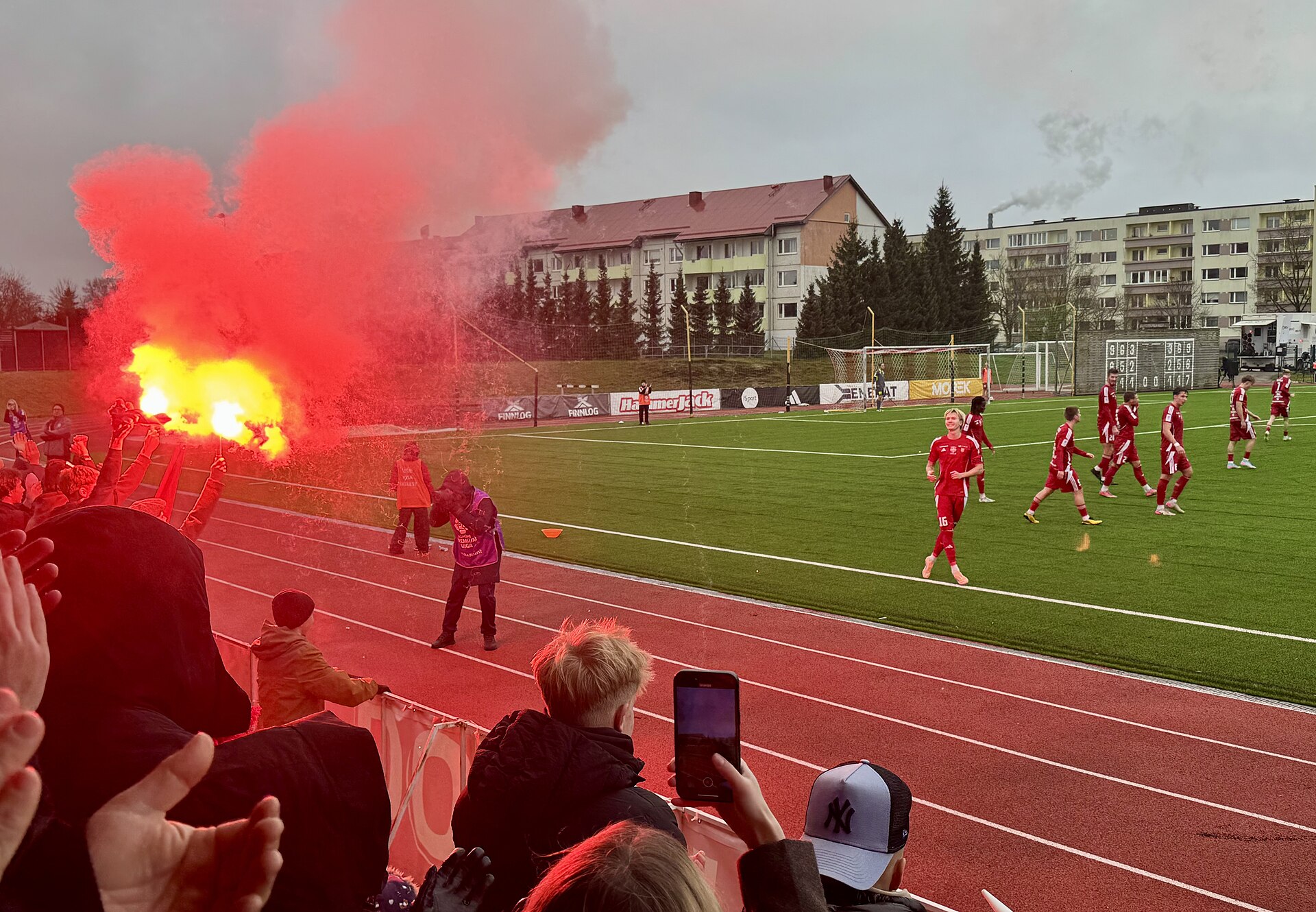
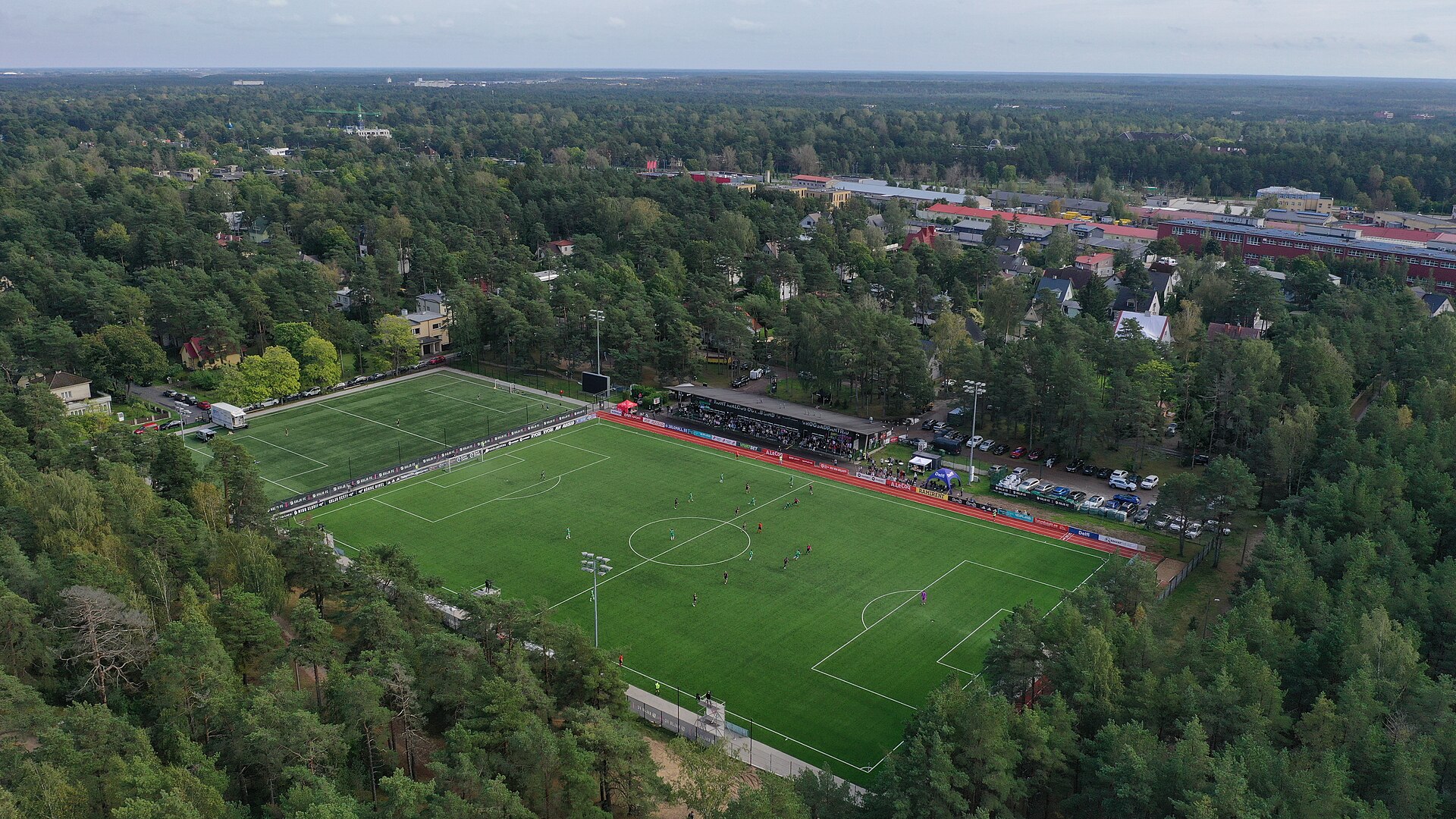
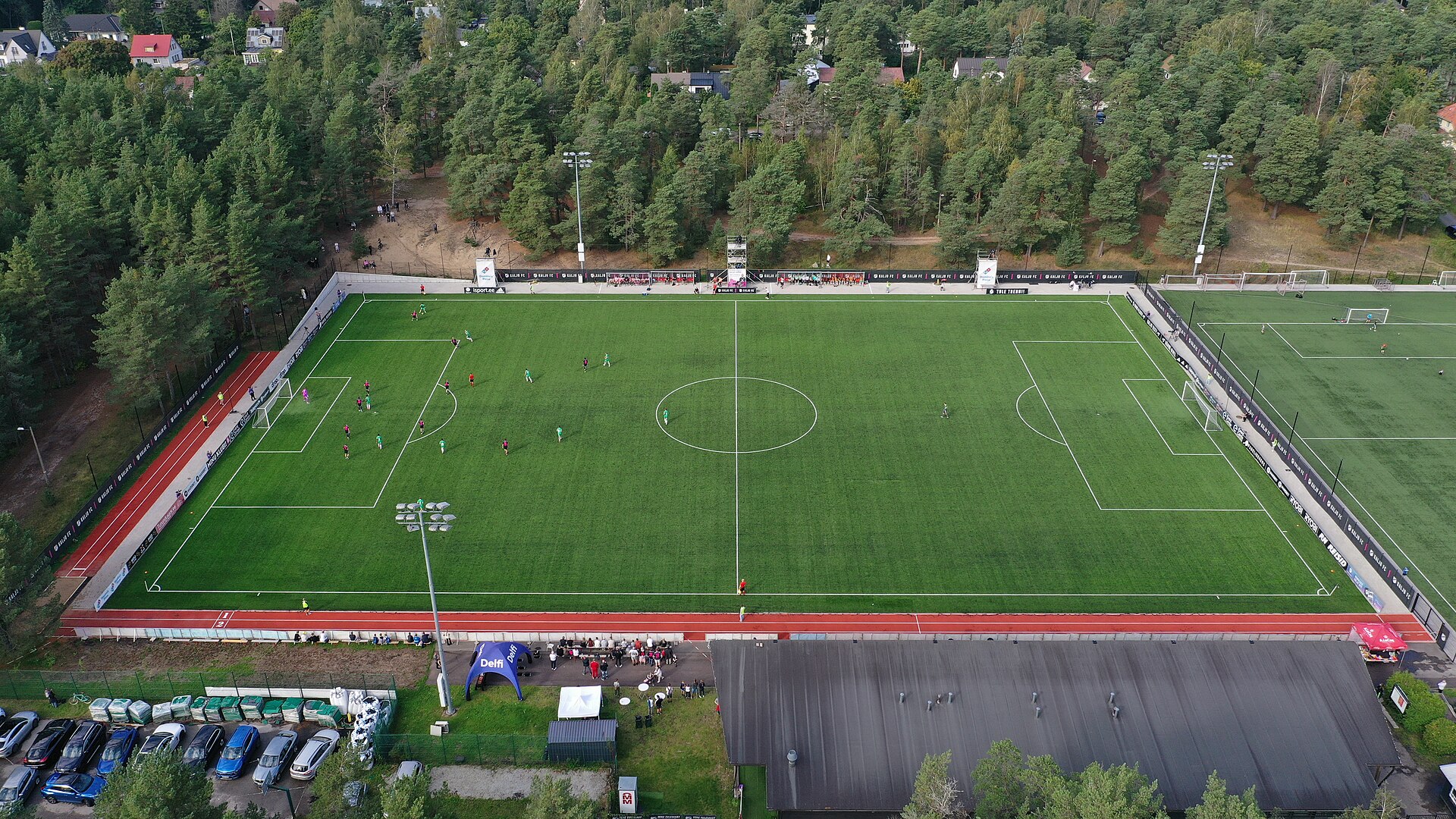
The Levadia Municipal Stadium is defined by its 2005 rebuild. Levadiakos had just climbed to the Greek top flight, and the club tore down the old west stand. They replaced it with a metal structure and covered all the stands with plastic seats. The pitch remains natural grass, but the surroundings changed more than the playing surface.
The main stand has a roof over it, offering shelter, while the corners were rebuilt to create a continuous viewing angle.
The ground has a name with history. On July 19, 2021, it was officially renamed to honour Lampros Katsonis, a naval commander from the town. He was born in Levadia and died fighting for Greek independence. The renaming marked the 200th anniversary of the revolution. Before that, it was simply the Levadia Municipal Stadium. The club has never had a sponsorship name on the building.
There is a sense of permanence here. The stadium opened in 1952, long before the modern era of football architecture. It has survived financial downturns and relegations without losing its identity. The capacity is listed as 5,915, though some older records suggest a higher figure. The most memorable crowd was 7,631 people for a match against AEK Athens in 1987. That number remains the highest recorded attendance, a moment when the small town felt larger than it was.