Maracana Stadium
Rio de Janeiro, Brazil
Formerly: Estádio Mendes de Moraes, Estádio Municipal do Derby
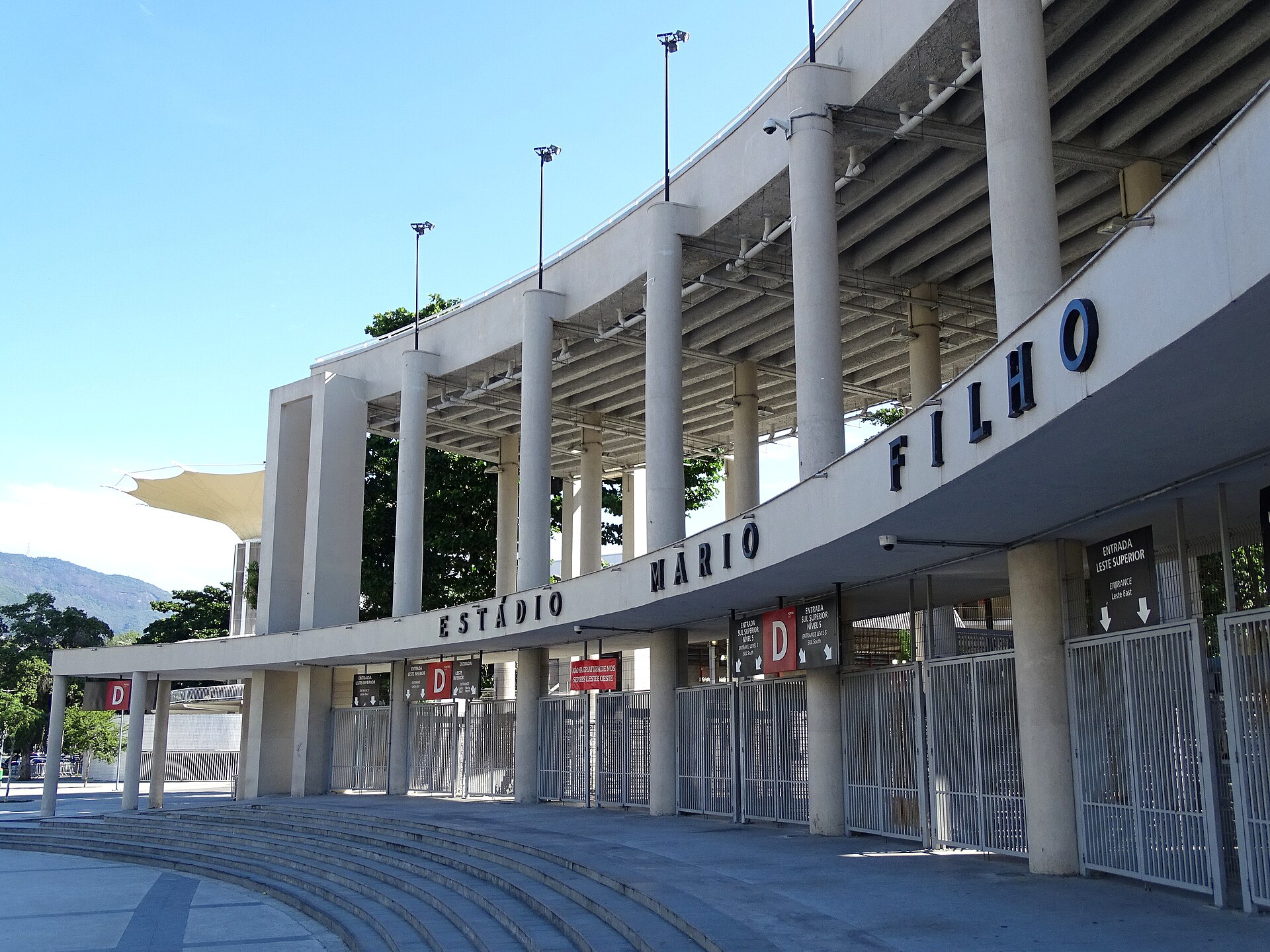
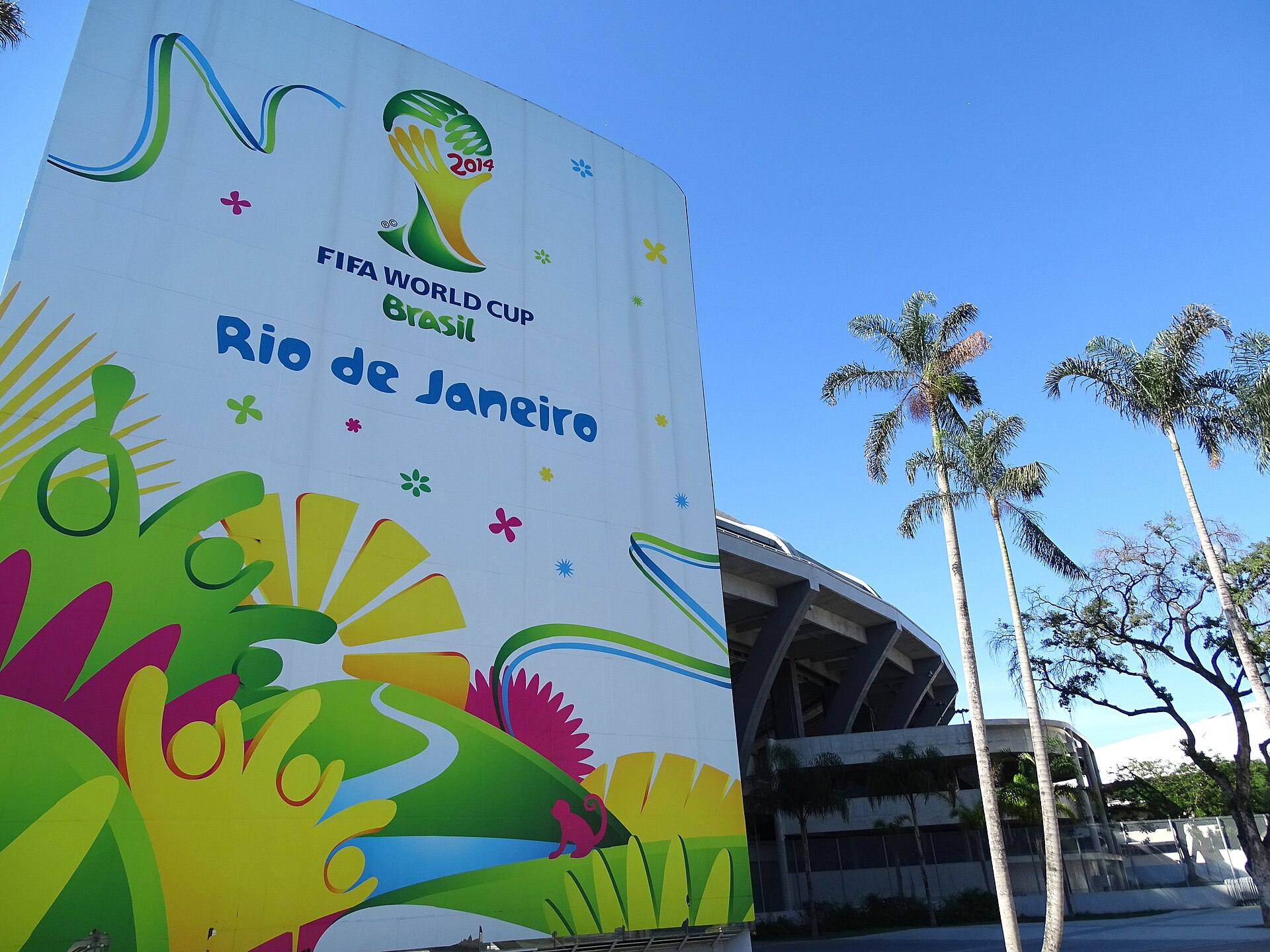
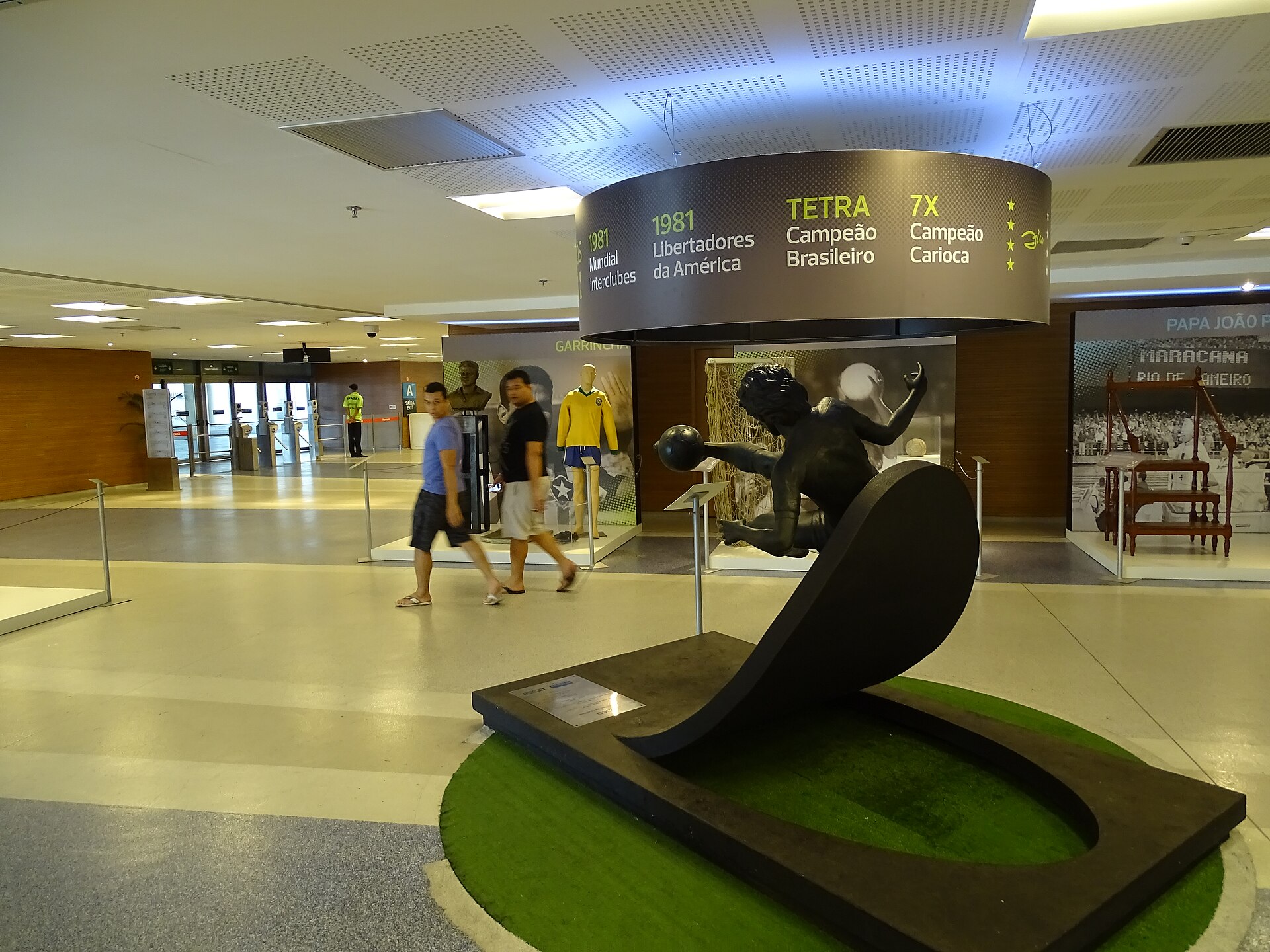
The number that still defines this ground was set two days short of a month after it opened. On 16 July 1950, 199,854 people came in for the World Cup final and watched Uruguay beat Brazil 2–1.
It was built to hold crowds of that order, and largely through the Geral — the standing terraces ringing the pitch. The rebuild for the 2014 World Cup took them out, put a roof over the bowl and cut the official capacity to 73,139, roughly a third of what the ground once absorbed. Earlier work in 2000 and 2007 had already trimmed it; down to a hybrid surface of Bermuda Celebration grass stitched with synthetic fibre. Germany beat Argentina 1–0 here in that tournament's final, and two years later the Olympic opening ceremony filled the same bowl.
Its name has never quite settled either. It opened as the Estádio Mendes de Moraes, was widely called the Estádio Municipal do Derby, and became the Estádio Jornalista Mário Filho in 1966 after the journalist's death. A 2021 proposal to name it for Pelé was approved and then left where it was.
Flamengo and Fluminense both play here. Vasco da Gama use it for derbies; Botafogo, a tenant from 1950 to 2006.