Mezokovesdi Varosi Stadion
Mezőkövesd, Hungary
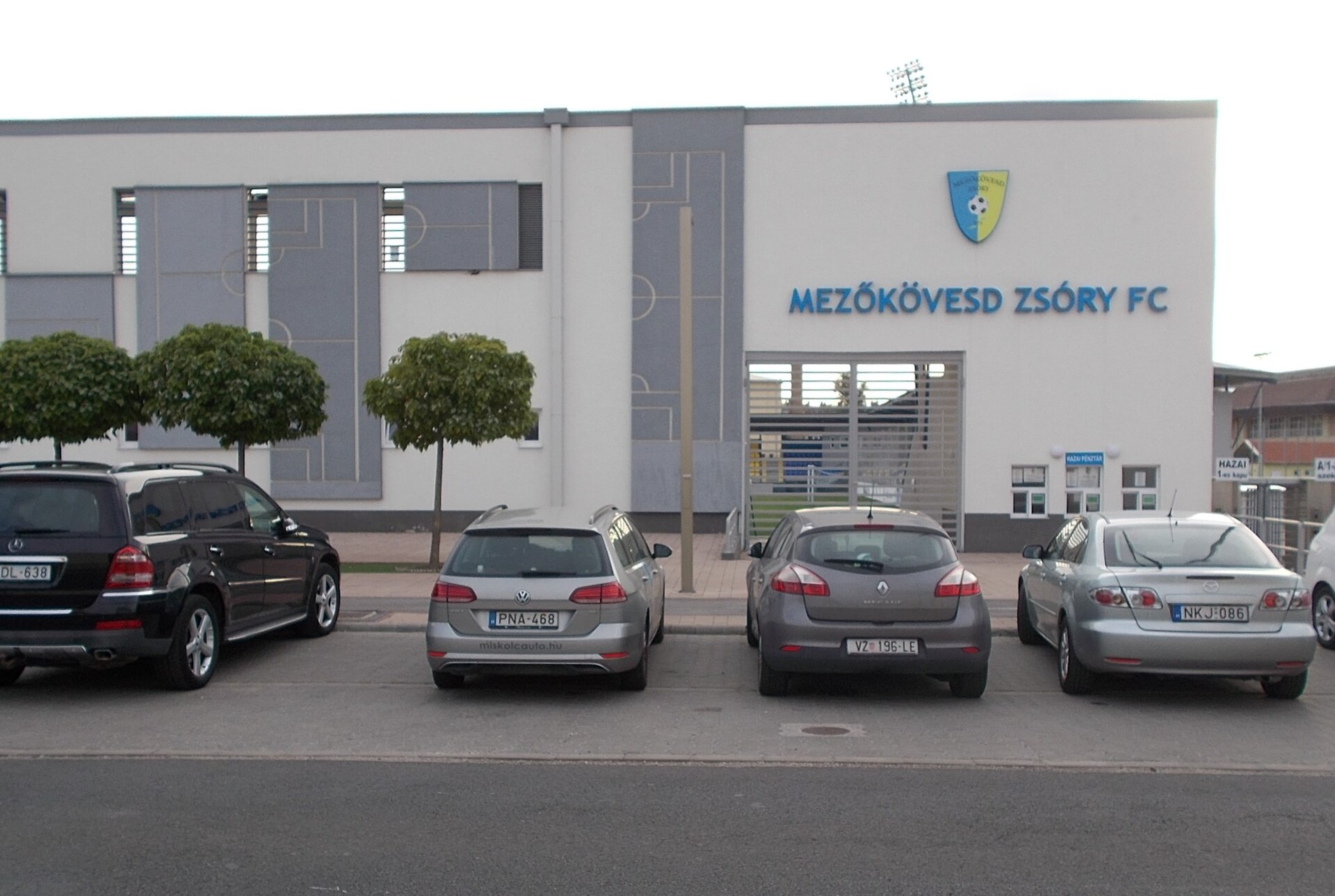
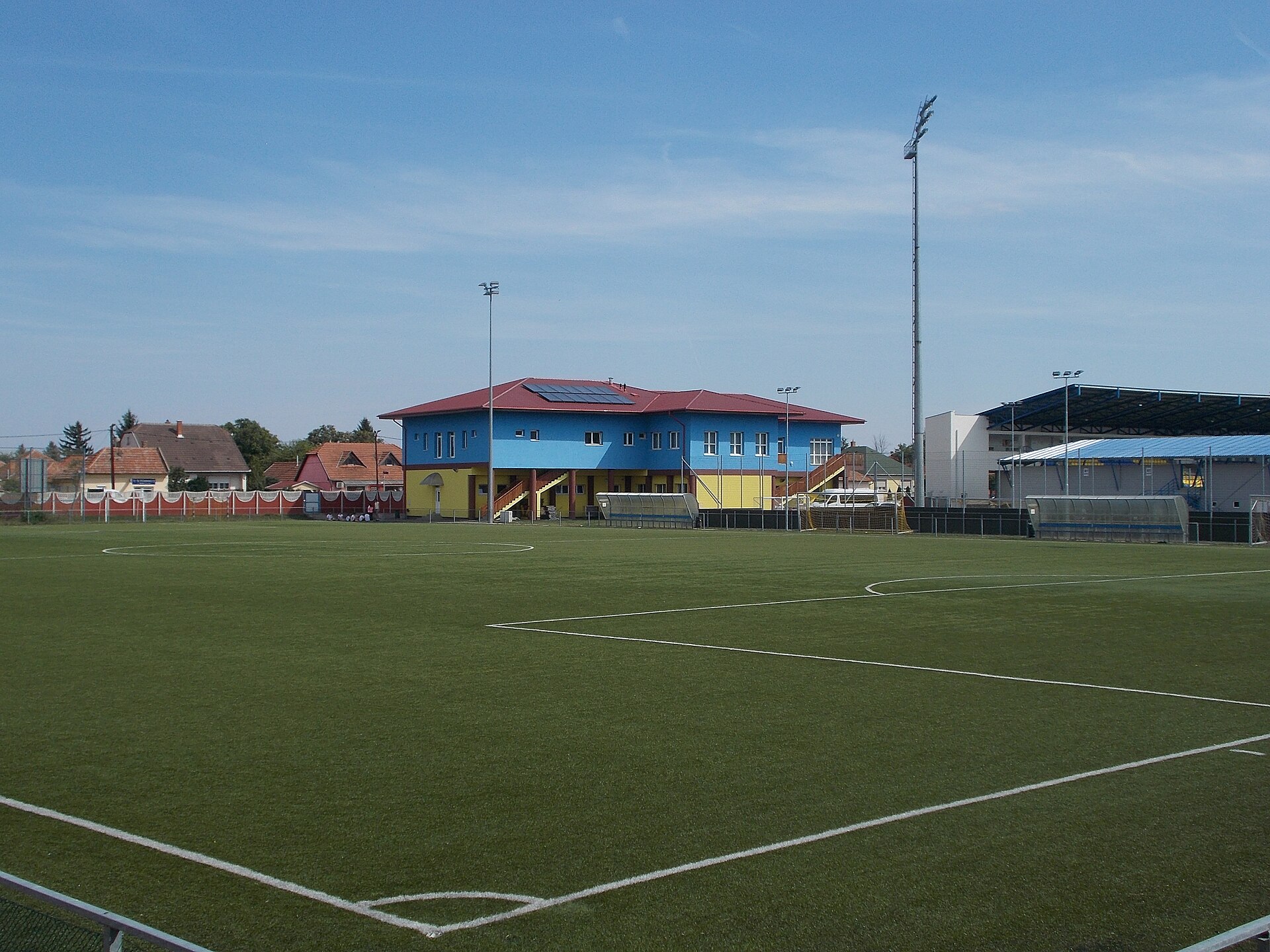
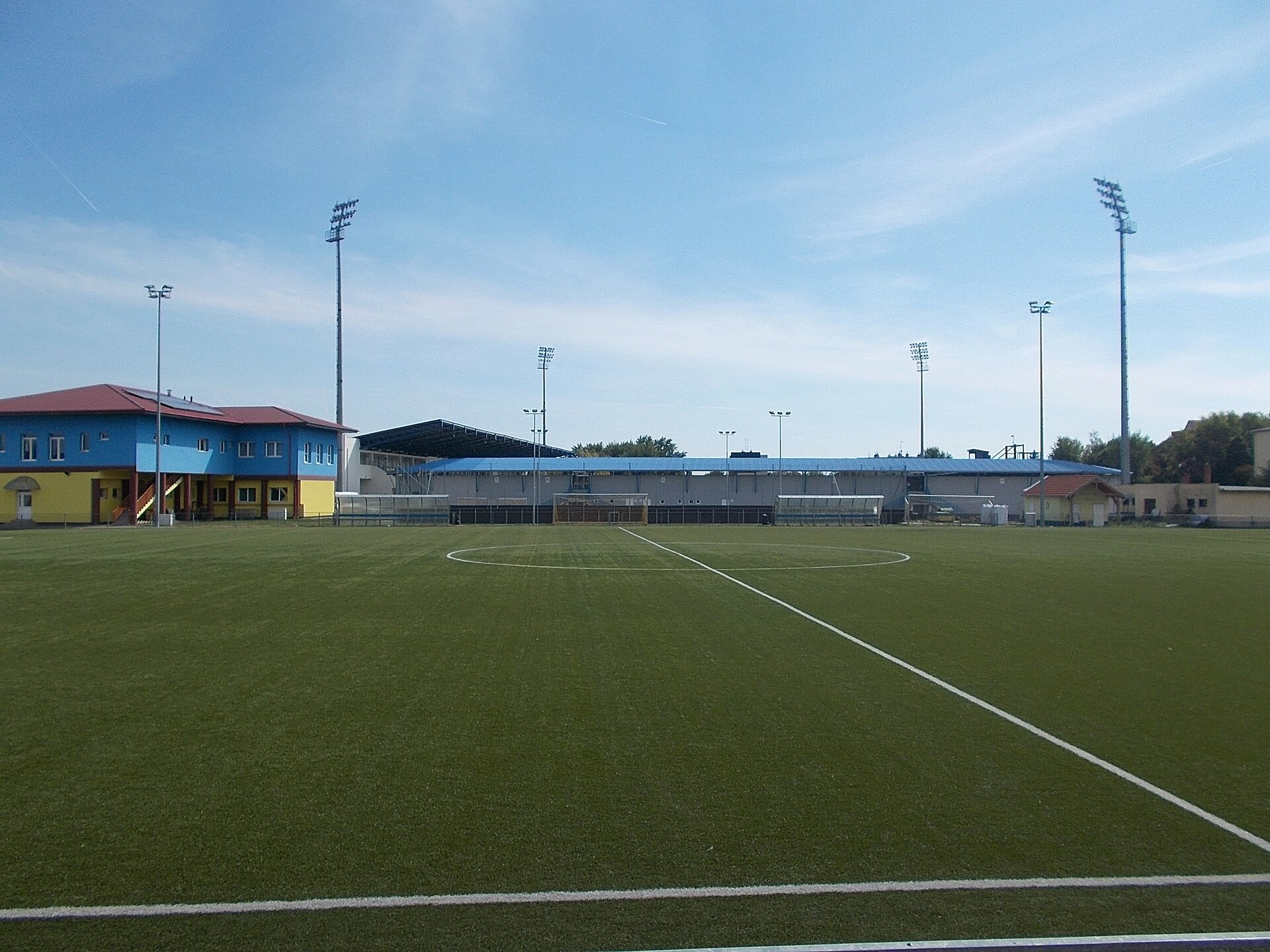
The Mezőkövesdi Városi Stadion does not whisper of history so much as it presents a clean slate. It is the face of a ground that was stripped back and rebuilt from the concrete up, reopening for play in the summer of 2016.
What distinguishes this pitch from its predecessors is the playing surface itself. The photograph of the field shows a carpet of natural grass, meticulously cut and marked, rather than the synthetic alternatives found in many Hungarian stadiums. This organic surface determines the rhythm of the game here; players must let the game flow across the turf, adjusting their footing to the conditions rather than bouncing off a rigid floor.
The stadium found itself in an unusual position during the summer of 2024. With Belarusian sides barred from hosting matches on home soil, Dinamo Minsk arrived in Mezőkövesd to face Ludogorets Razgrad in the UEFA Champions League qualifying round. The local fans watched as the visitors extended their unbeaten run in these European fixtures, though the result ultimately depended on the aggregate score. It was a stark contrast to the club’s own domestic struggles, where they had never got going against the mightier teams in the league.
Before that, the ground had served as a temporary sanctuary for Diósgyőri VTK, who played their home matches here while their own stadium was demolished. They threw bodies in the way of attackers trying to penetrate the box, knowing the unfamiliar surface could level the playing field. Today, the stadium remains the anchor for Mezőkövesd Zsóry FC, a quiet place where the focus is on the ninety minutes played on the grass, not the architecture surrounding it.