Olimpico Atahualpa
Quito, Ecuador
Formerly: Estadio Olímpico Municipal, Estadio Olímpico Municipal El Batán
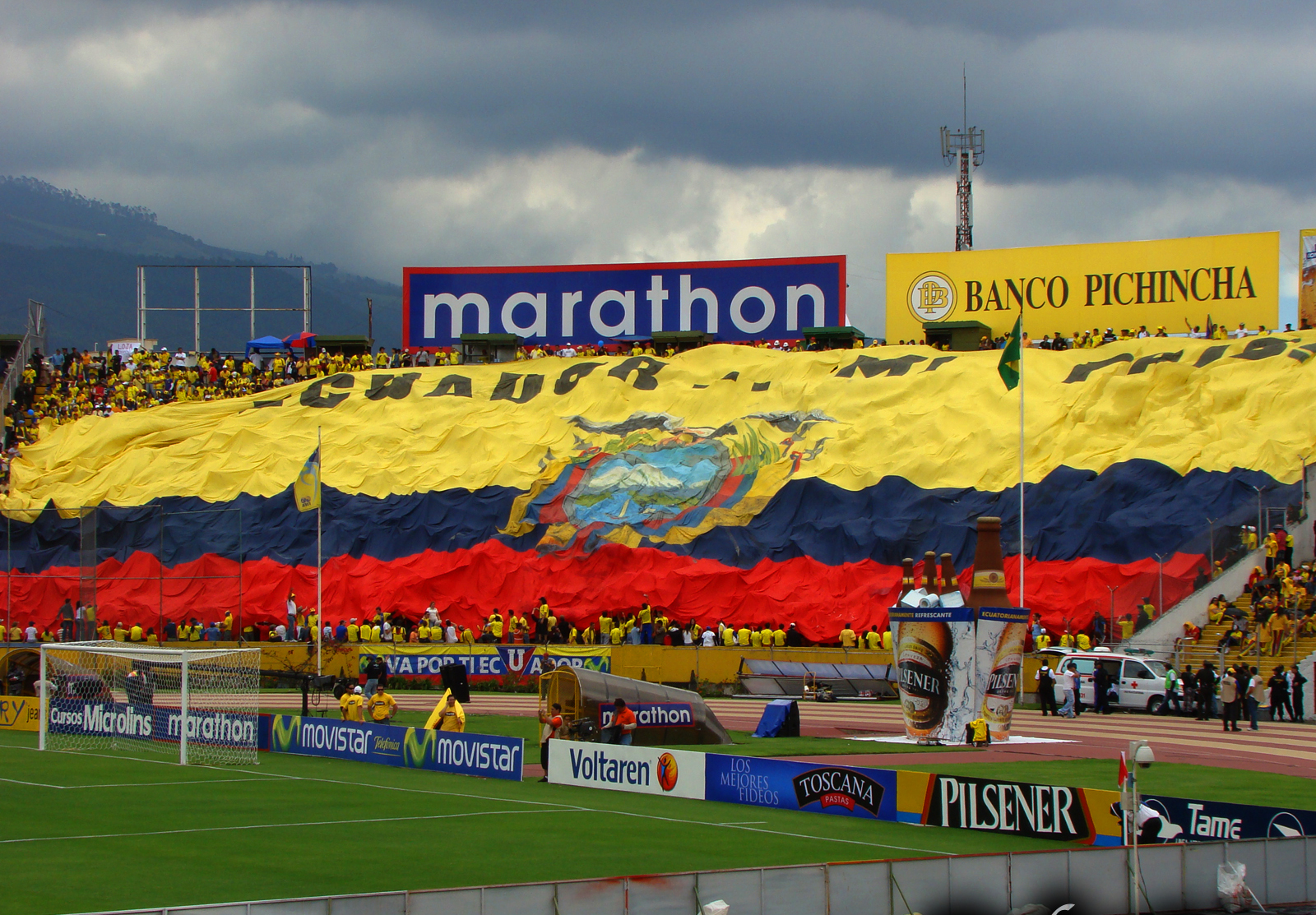
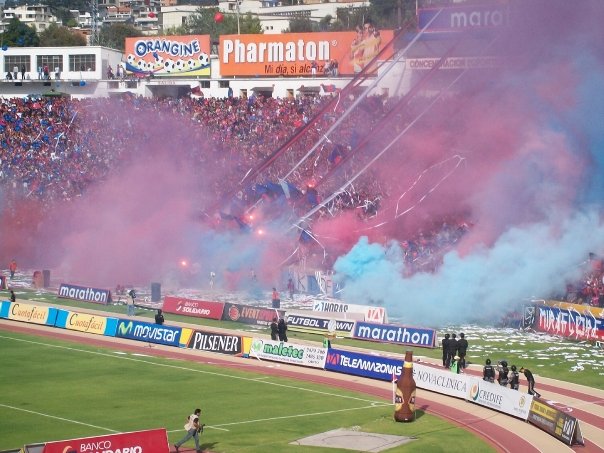

The ground sits high above the city. It is not merely a place for football; it is a stadium surrounded by a synthetic track. The view from the terraces is dominated by the skyline of Quito, a reminder of the altitude that always will make life awkward for visiting teams. The architecture is functional, with concrete tiers rising steeply, some sections painted in red and yellow, others left in their original grey.
Estadio Olímpico Atahualpa has seen the game change around it. The surface is natural grass, worn soft by decades of play, while the surrounding athletics track remains a constant ring of colour. The stands are mixed in condition; some areas show the wear of time, while others have received more recent attention. The advertising boards along the perimeter are bright, displaying names like Marathon and Banco Pichincha, but the structure itself is older than the sponsors. The most recent major work involved new seats and facilities, reducing the capacity from its peak, but the fundamental shape remains that of a 1950s build.
The atmosphere here is distinct. The altitude takes the sting out of the heat, but the wind can gust through the open stands, carrying sound away or slamming it against the players. The crowd fills the tiers, sometimes waving flags that span the entire width of the section. The ground has hosted the Ecuador national team through difficult qualifiers and seen the final of the Copa Libertadores. It is not a pristine venue, but it holds a weight of history that newer stadiums lack.