Seoul World Cup Stadium
Seoul, South Korea
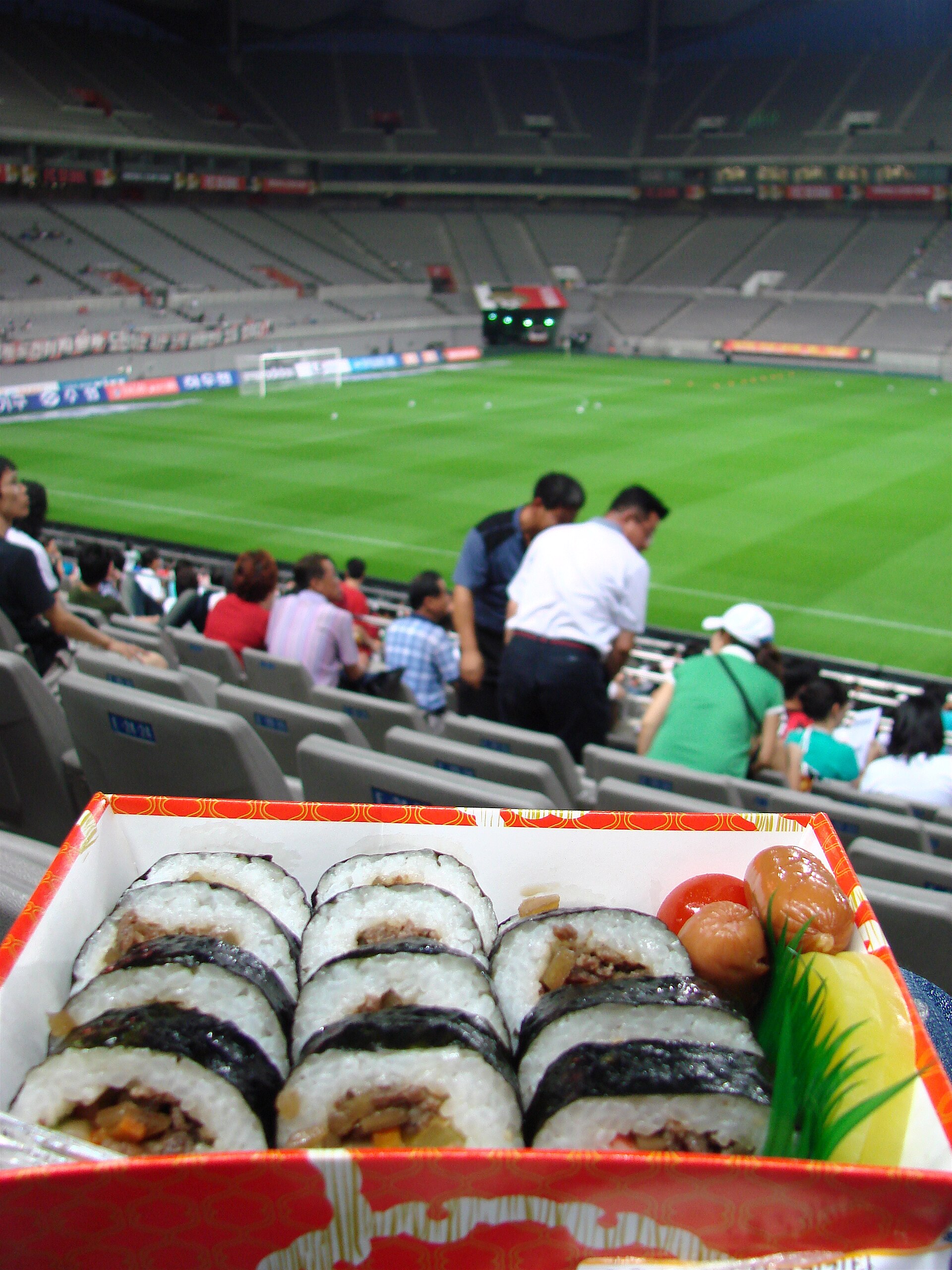
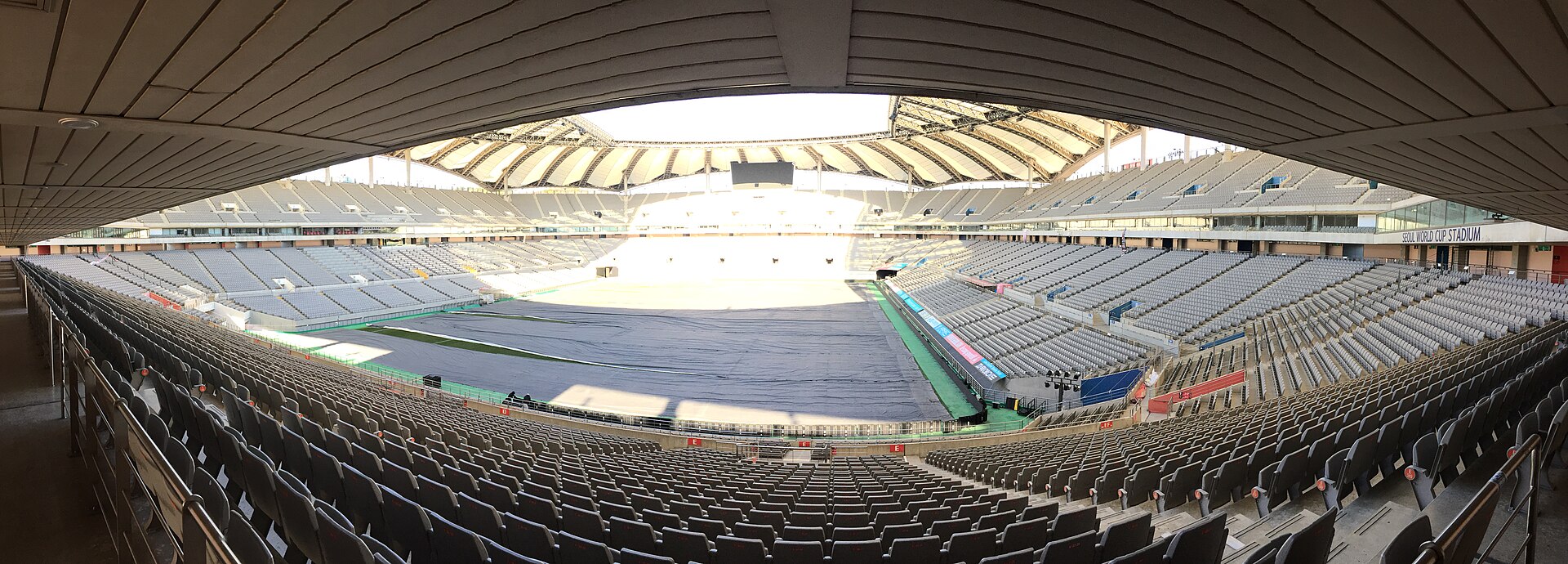
The Seoul World Cup Stadium is defined by the scale of its ambition rather than its age. It sits as a monument to the 2002 FIFA World Cup, a renovation of the city's sporting landscape that occurred before most modern equivalents existed. The architecture is pure function. The roof is a vast, open canopy that stretches over the tiers, leaving the centre of the pitch exposed to the sky. This design choice dictates the experience of a match day. The crowd is not contained in a bowl but spread across the tiers, and the sound travels differently. In winter, the wind sweeps straight through the structure, a fact every player learns early.
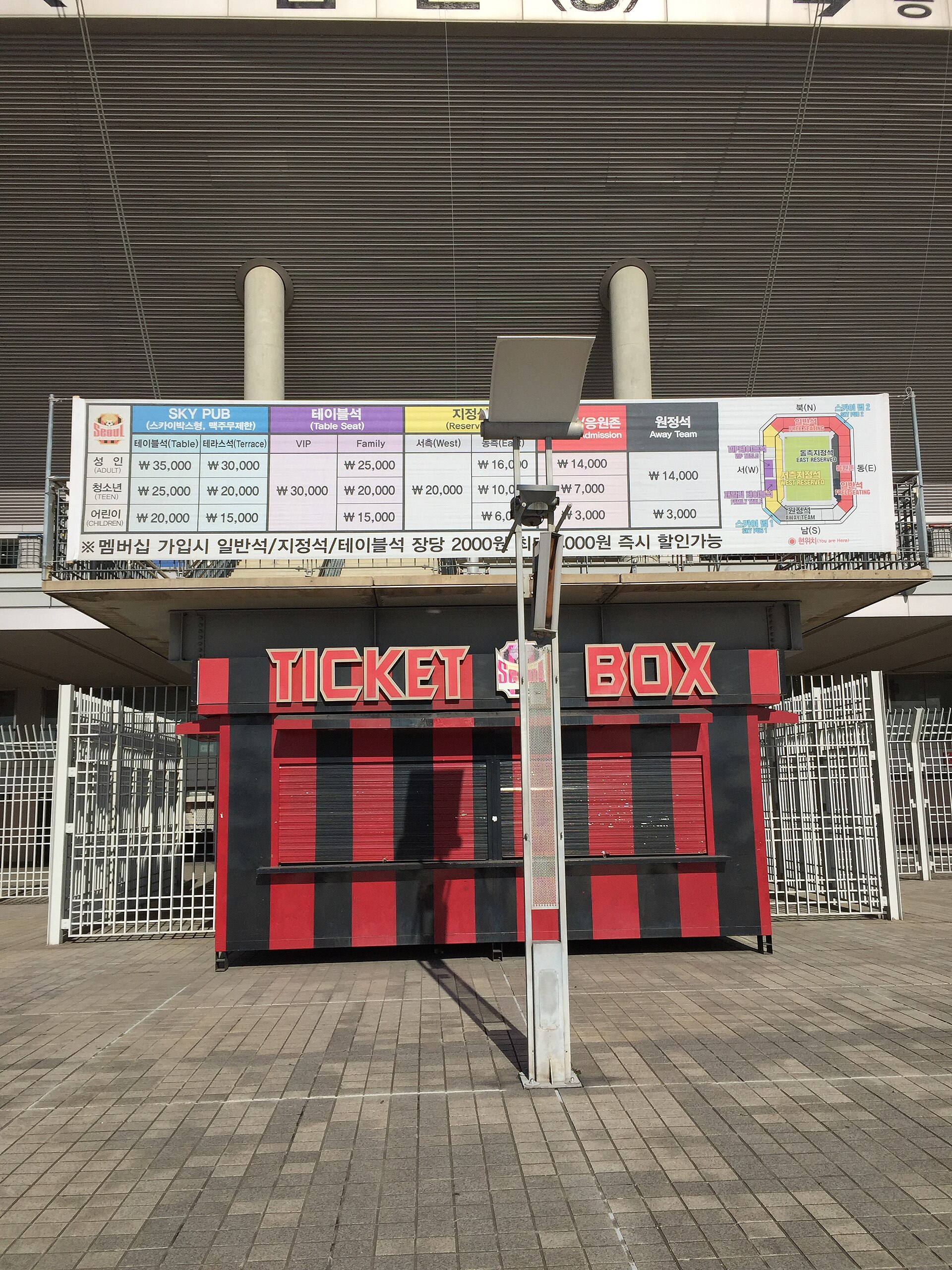
FC Seoul calls this ground home, and the connection is visible in the seating arrangements. The red and black stripes of the ticket office box outside mirror the colours worn by the players inside. The atmosphere here is not built on tradition but on the memory of the semi-final played under these same lights. That match shifted the balance of the tournament, and the stadium has carried that weight ever since. The pitch itself is Kentucky Bluegrass, maintained to withstand the intensity of Korean league football. It is a surface that requires constant attention, much like the history it holds.
There is no sponsored name to complicate the identity. It remains the Seoul World Cup Stadium, a title that separates it from the commercialised venues built later. The capacity is large enough to swallow a city, yet intimate enough to hear every shout from the stands. When the hosts play in the AFC Champions League, the home end rises as one. The visiting teams know they are not just facing a club but a structure built for spectacle. The ground does not hide its purpose. It was designed to host the world, and it still does, occasionally, when the final stages of a global tournament return to the city.
Who plays here
-
 FC Seoul
127 matches
FC Seoul
127 matches
-
 South Korea Women
30 matches
South Korea Women
30 matches
-
 Korea Republic U23
28 matches
Korea Republic U23
28 matches
-
 Korea Republic U20
13 matches
Korea Republic U20
13 matches
-
 K-League Stars
2 matches
K-League Stars
2 matches
Recent matches here
| Date | Match | Score |
|---|---|---|
| 3 Oct | Korea Republic U23 — Japan U23 | 1:0 |
| 30 Sep | Korea Republic U23 — China PR U23 | 2:1 |
| 25 Sep | South Korea Women — Uzbekistan Women | 6:3 |
| 25 Sep | Korea Republic U23 — Vietnam U23 | 4:0 |
| 22 Sep | Korea Republic U23 — Saudi Arabia U23 | 2:0 |
| 21 Sep | South Korea Women — Korea DPR | 1:1 |
| 16 Sep | FC Seoul — Persib Bandung | 0:1 |
| 14 Sep | South Korea Women — Myanmar Women | 5:0 |