Yanmar Stadium Nagai
Osaka, Japan
Formerly: Nagai Stadium, Osaka Nagai Stadium
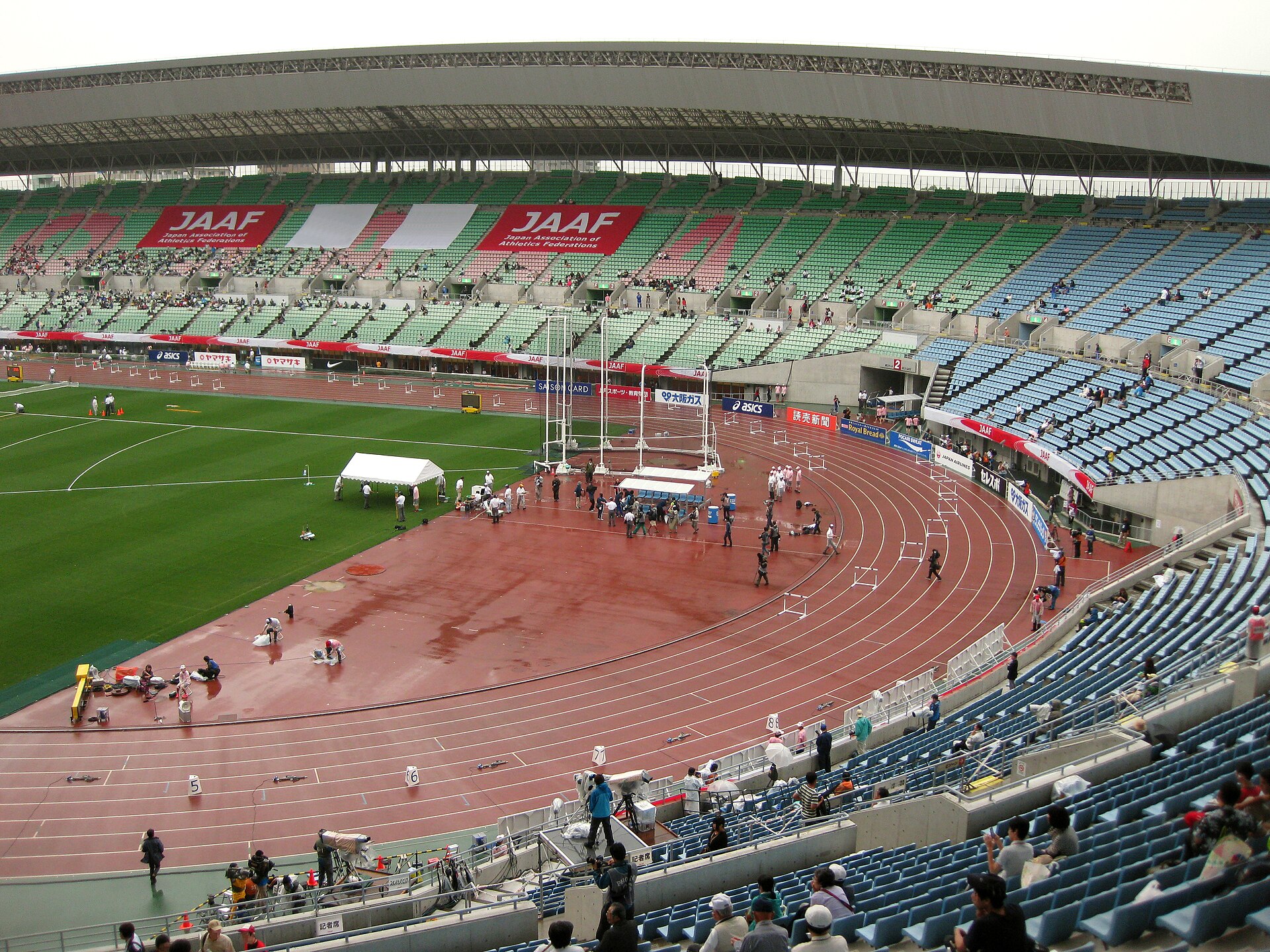
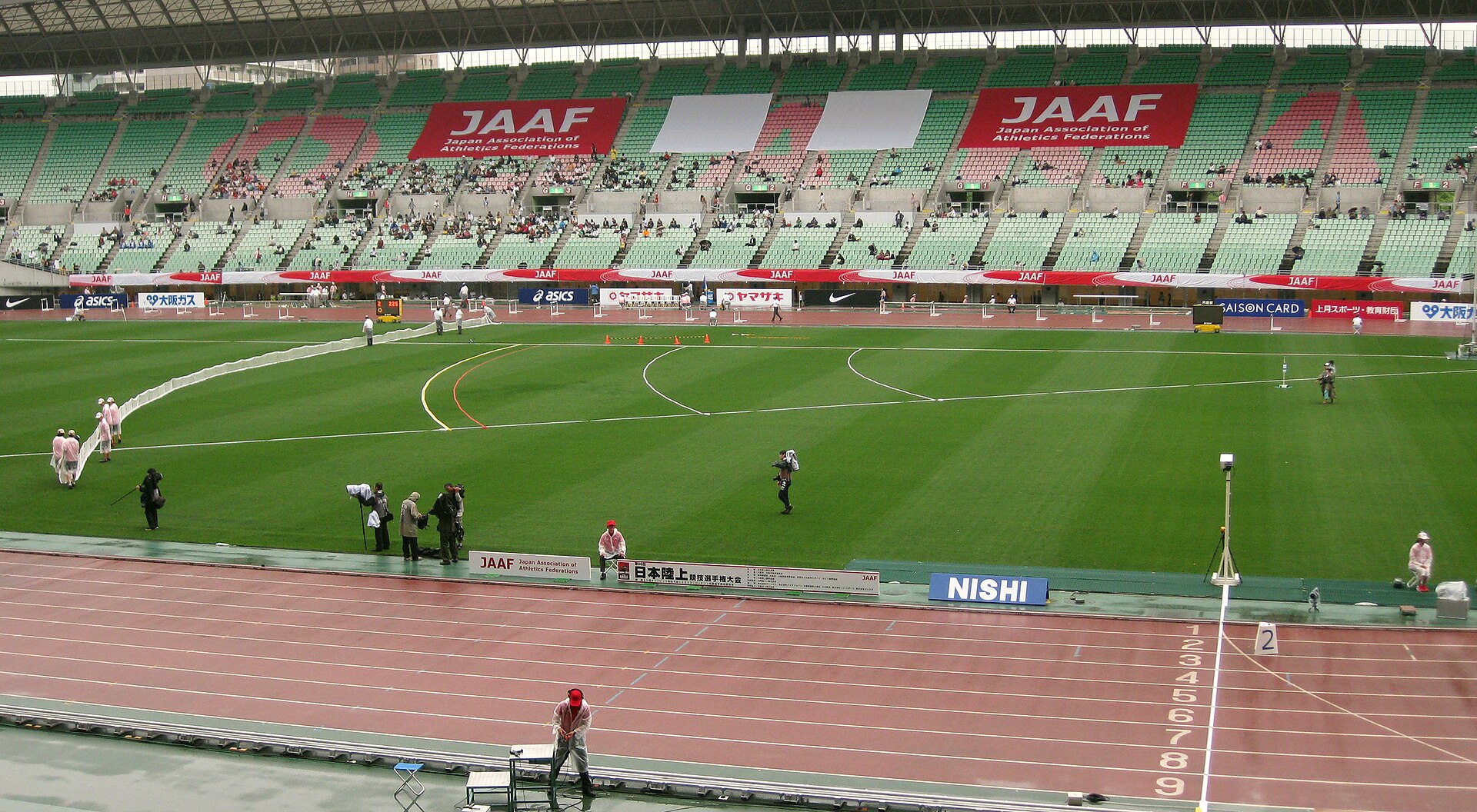
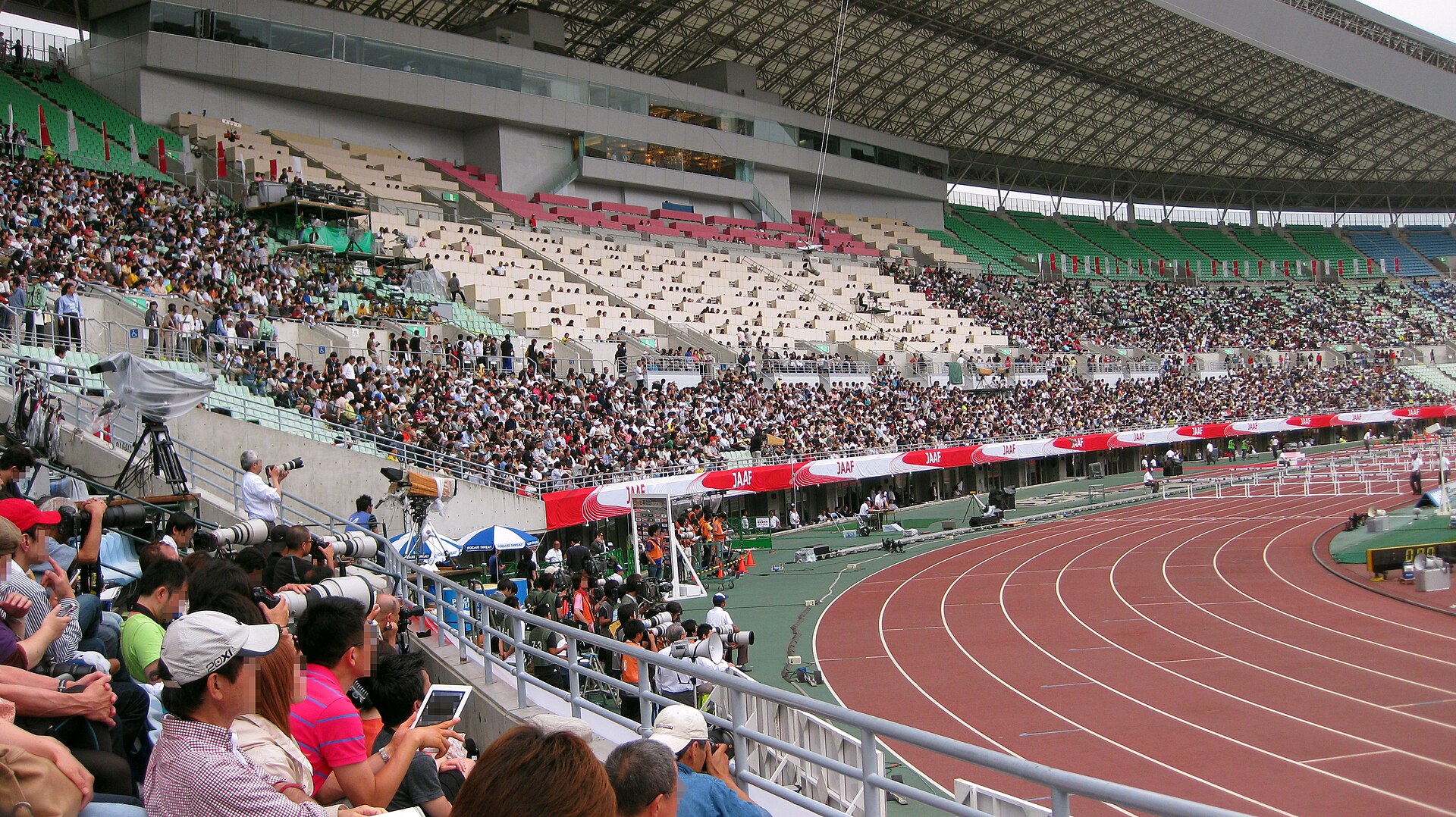
The Yanmar Stadium Nagai is a venue where the weather can influence the game, and the pitch, laid over the old track, retains a history of athletics.
It is a stadium with a long history. Built for the 1964 Olympics, it was not designed for the football that Cerezo Osaka play today. That 1996 renovation gave it the skin it wears now—the great white membrane roof that stretches like a sail above the concrete. The stands are painted in blocks of blue and green, and the JAAF banners still hang in the upper tiers, a reminder of the athletics that came before the leagues.
It is not a quiet place. The concerts turn it into a festival ground, but the football is where the tension sits. The 2002 World Cup matches were played here, and the air was thick with expectation. A crowd of that size is a doubt for any venue, but the sightlines here are clear, and the roar rolls off the curved roof. The stadium is owned by the city, and that ownership is felt in the way it has been kept open to the sky, even with the cover.
There is a weight to the history here, but it is not heavy. It is a stadium that has seen everything from the World Cup final stages to the local marathon starting line. When the players walk out, they walk onto a green rectangle that has seen more than just games. It has seen change, and it has stayed. The track is gone, but the track is still there, under the grass, waiting for another season.