Cambridge's Darshil Shah Says Bamboo Could Replace Willow in Cricket Bats
Willow clefts have doubled to £120 as demand outruns supply, and Cambridge's Darshil Shah says laminated bamboo could make a cheaper cricket bat for club players.
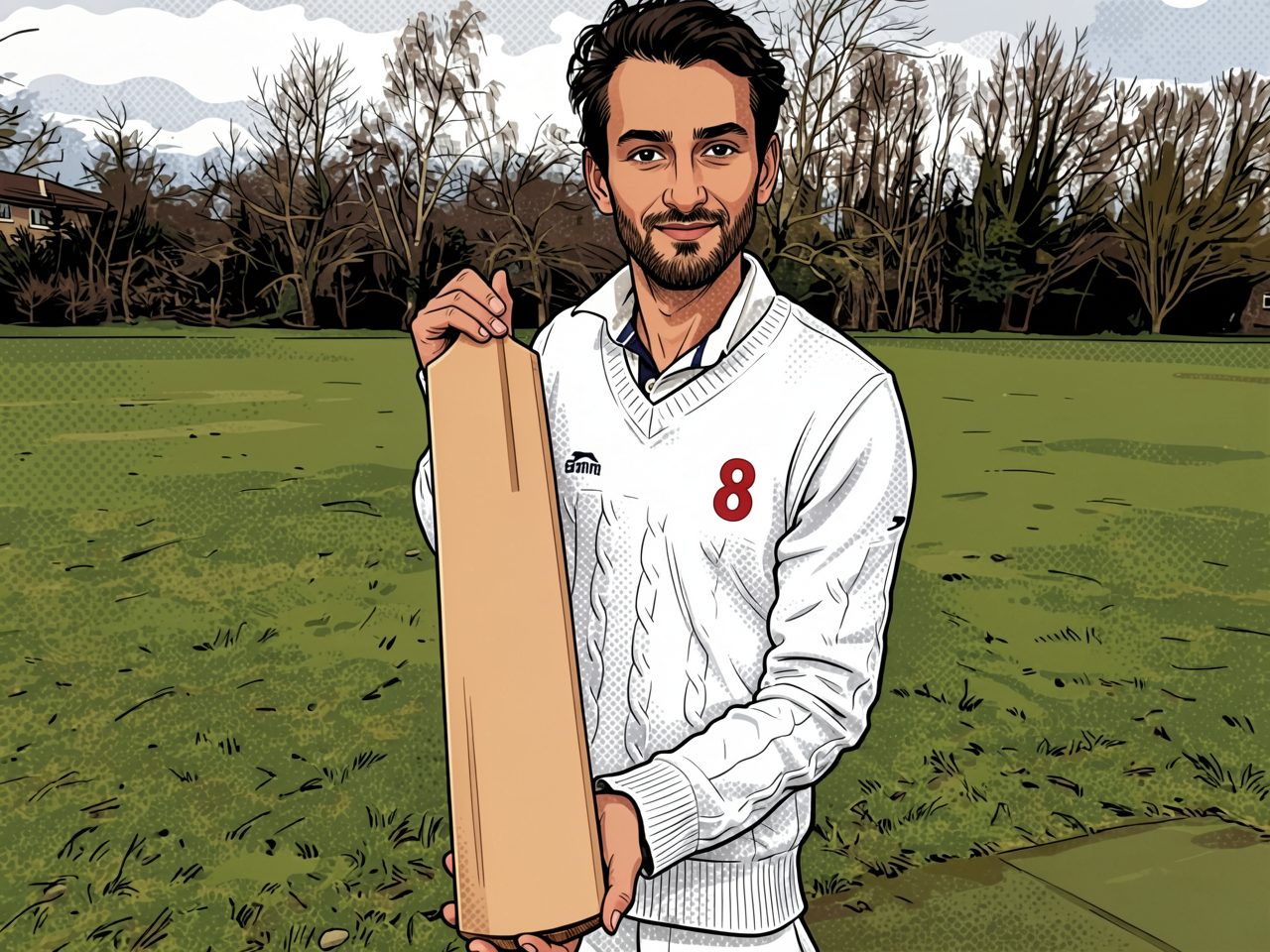
Cambridge researcher Darshil Shah says bamboo could stand in for willow as the raw material for cricket bats, as demand outruns the supply of trees, according to The Guardian.
The game now has 200 million regular players. The UK produces 500,000 willow clefts a year and Kashmir between 1.5m and 3m. One cleft makes one bat, and the figures no longer balance.
Kashmiri farmers have also replaced many willow plantations with poplar, a faster-growing tree favoured by the wood-products industry. The price of a cleft has doubled in the past few years, from £60 to £120, which has put the finished bat out of reach for many players.
Shah is an associate professor in material science and design at the University of Cambridge. He began work on the idea in 2019, when colleagues ran a project on laminated bamboo for buildings and he tried the offcuts as bats.
The first prototypes were heavy and returned the ball 30% better than willow. His team removed material until the bat looked more like one from 1990. Layers of bamboo peeling apart were a further problem in early versions.
Metal is not the answer. Dennis Lillee took an aluminium bat out at Perth in December 1979 until the umpires stopped him, and the laws were changed to say a bat must be made of wood. A bamboo bat is still wood in the botanical sense, but the report does not say how the laws would treat one.
If the material passes that test, it may mean a cheaper bat for the ordinary club player. That depends on price and on whether makers take it up.
About this article
Prepared by the editorial team with the help of algorithms, based on the sources listed