Buenos Aires does not have one football club at its centre; it has dozens, split by neighbourhood and grievance, and the national team is the rare thing the city agrees to share. On match nights the sky-blue-and-white shirt fills the Estadio Monumental in Núñez, the largest ground in South America at just over 85,000, standing in for River Plate's own colours without belonging to River at all.
The Argentine Football Association was formed in 1893, and the side it runs took its first official fixture against Uruguay in 1901, winning 3-2. What the country actually measures itself by is Diego Maradona in 1986, and Lionel Messi's 2022 final against France, settled on penalties, closing a wait that had outlasted most of the players on the pitch. Messi's number sits apart from the rest of the record book: 125 goals, 207 caps, spread across a career that also delivered the Copa América in 2021 and 2024.
Three World Cups, in 1978, 1986 and 2022, sit alongside three lost finals — 1930, 1990 and 2014 — each of the defeats closer than the scoreline suggested. The Copa América has been won sixteen times, a run stretching from the 1920s through to last year, though Argentina has also lost five finals of it since the 1990s, twice to Chile on penalties within the space of a year.
 National team · Argentina


 Argentina
 Ecuador
 Colombia
 Uruguay
 Brazil
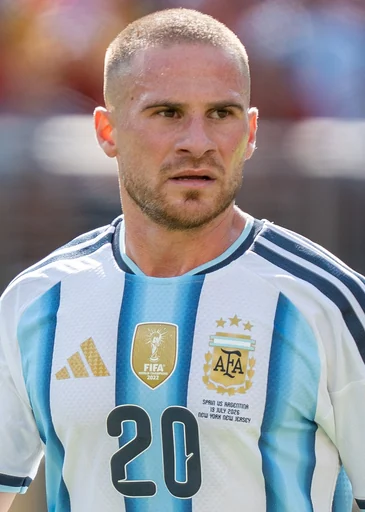
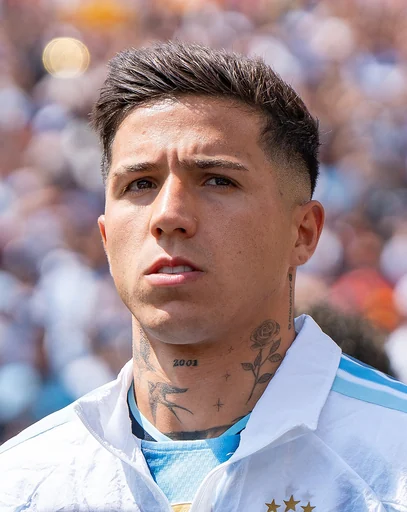

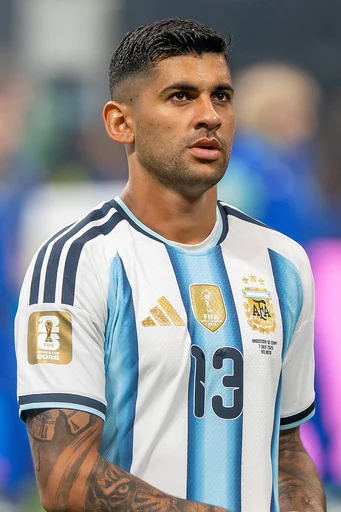
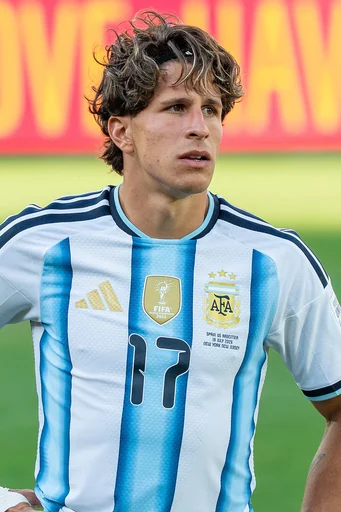
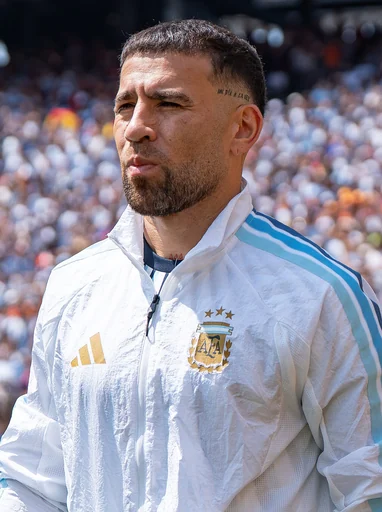
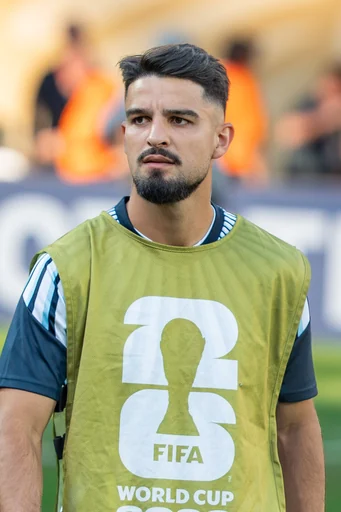
 Alexis Mac Allister
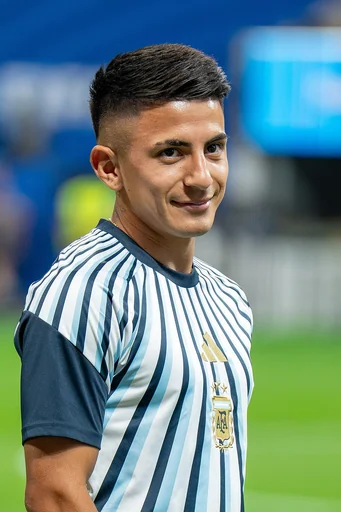
 Thiago Ezequiel Almada
 Enzo Jeremías Fernández
 Cristian Gabriel Romero
 Giuliano Simeone Baldini
 Nicolás Otamendi
 José Manuel Alberto López
 Lionel Messi
 Exequiel Palacios
 Gerónimo Rulli
 Nahuel Molina
 Rodrigo Javier De Paul
 Julián Álvarez
 Nico Paz
 Valentín Barco
 Juan Musso
 Nicolás Alejandro Tagliafico
 Facundo Medina
 Lisandro Martínez
 Giovani Lo Celso
 Lautaro Javier Martínez
 Emiliano Martínez
 Gonzalo Montiel
 Marcos Nicolás Senesi Barón
 Leandro Paredes
 Agustín Giay
 Nicolás Capaldo Taboas
 Santiago Beltran
 Ignacio Ovando
 Marcos Javier Acuña
 J. Freitas
 Simon Escobar
 T. Aranda
 G. Prestianni
 Máximo Perrone
 Lucas Martínez Quarta
 F. Mastantuono