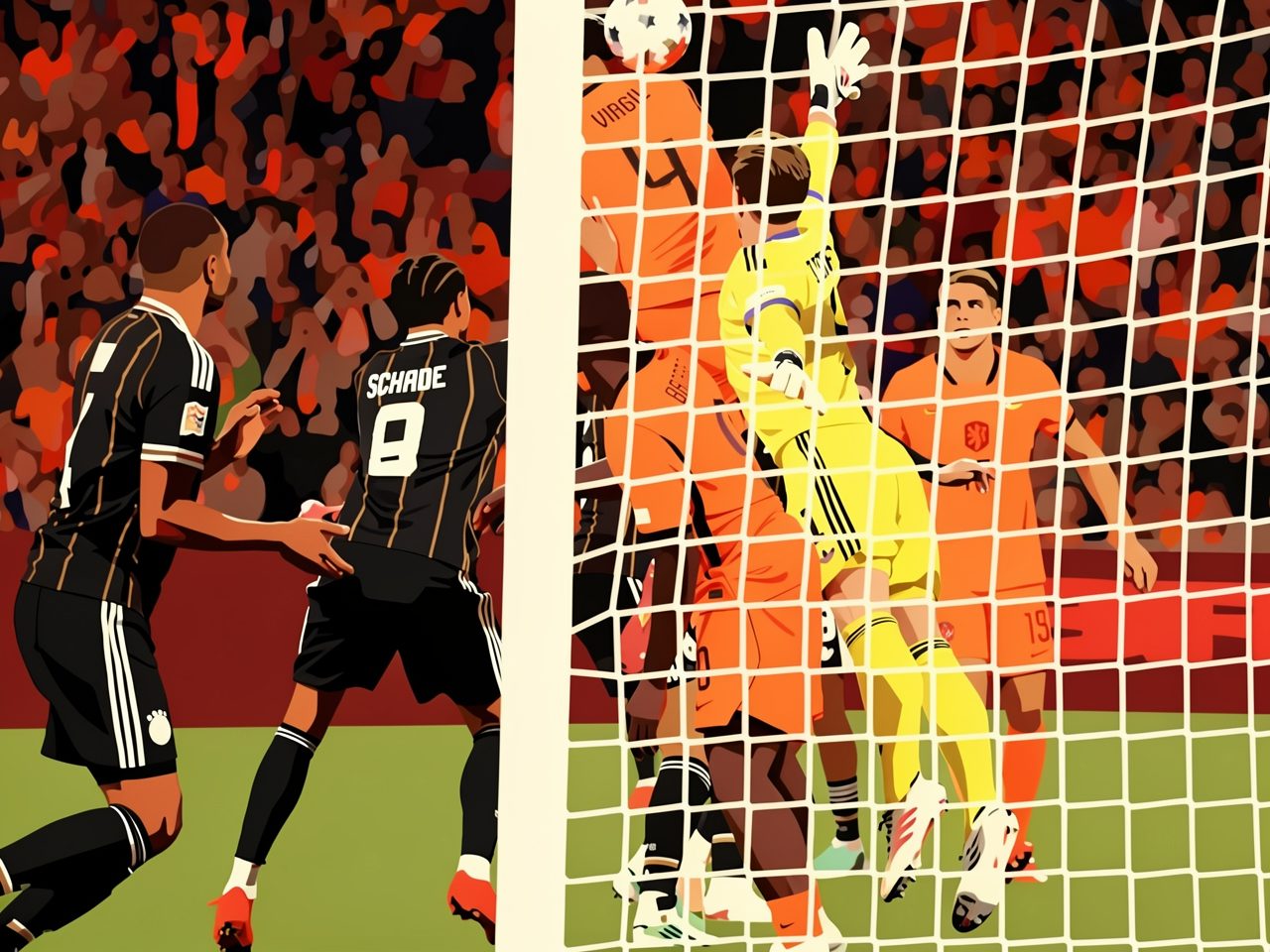
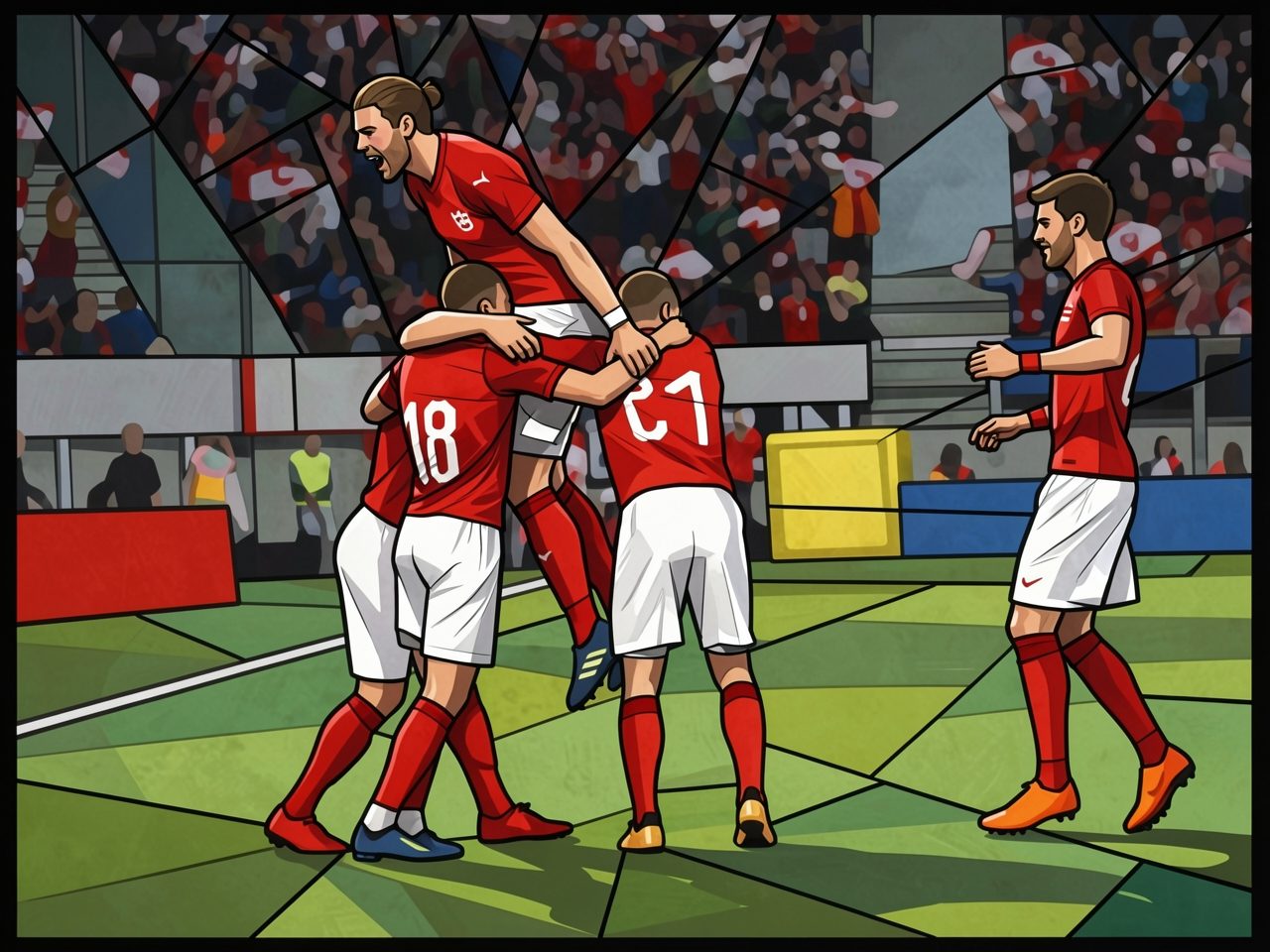
On 14 October 2014, a Euro 2016 qualifier between Serbia and Albania in Belgrade never reached full time. A drone flew over the pitch trailing a flag mapping out a "Greater Albania," a Serbian player pulled it down, Albanian players grabbed at it, and the players' tunnel emptied onto the pitch in a brawl that ended the match. The Court of Arbitration for Sport later handed Albania a 3–0 win. The episode said more about what this fixture carries than any preview could: Kosovo sits behind every meeting between the two sides.
Serbia the team, in its current form, is younger than that grudge. It took the field for the first time on 16 August 2006, days after the state union with Montenegro broke apart, and lost 3–1 to the Czech Republic. FIFA and UEFA nonetheless treat it as the direct successor to the various Yugoslav sides, so the medal case includes 1960 Olympic gold, won in Rome when SFR Yugoslavia beat Denmark 2–1 in the final, along with two European Championship runner-up finishes and three Olympic silvers from the 1940s and 1950s. Since 2006, as Serbia alone, the team has yet to add a trophy of its own; group-stage exits at the last three World Cups and at Euro 2024 mark its ceiling so far.
Home games are played at the Rajko Mitić Stadium, still known to most as Marakana, in front of up to 49,167 in red, white and blue. Aleksandar Mitrović wears the captain's armband and holds the scoring record with 64 goals. Veljko Paunović took over the bench in late 2025 from Dragan Stojković, and his task now is straightforward enough to state plainly: turn group-stage appearances into a knockout run.
 National team · Serbia


 Cyprus
 Liechtenstein
 Serbia
 Georgia
 Latvia
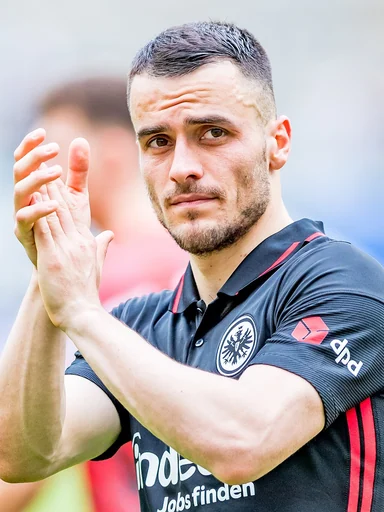
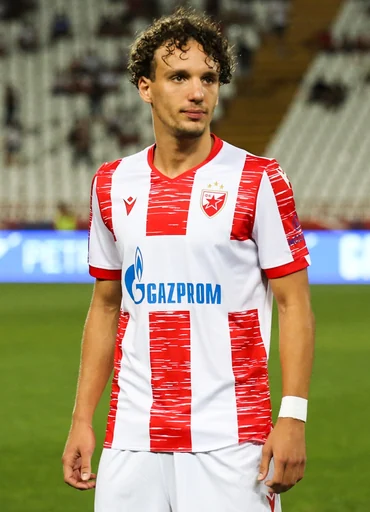


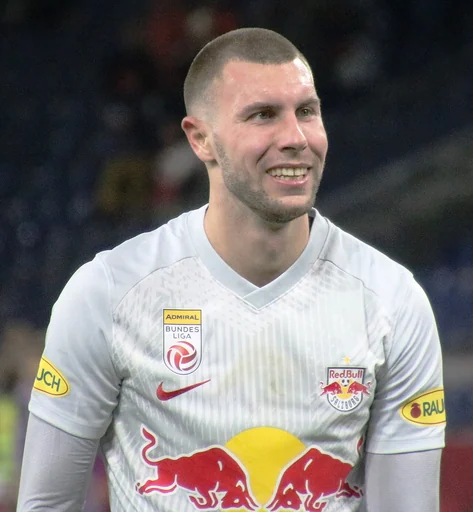


 Filip Kostić
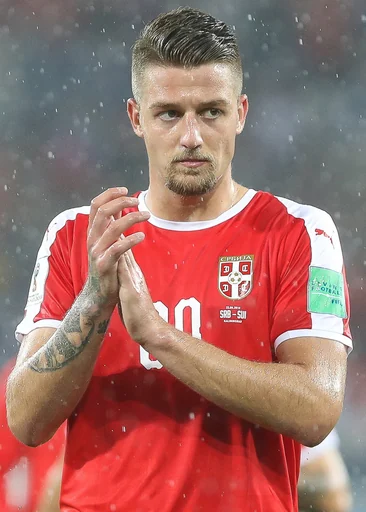
 Sergej Milinković-Savić
 Strahinja Eraković
 Strahinja Pavlović
 Luka Jović
 Dejan Joveljić
 Vanja Milinković-Savić
 Đorđe Petrović
 Saša Lukić
 Aleksa Terzić
 Nemanja Gudelj
 Veljko Birmančević
 Predrag Rajković
 Ognjen Mimović
 Petar Stanić
 Kosta Nedeljković
 Petar Ratkov
 Aleksandar Mitrović
 Mijat Gaćinović
 Stefan Bukinac
 Nikola Milenković
 Njegoš Petrović
 Nemanja Maksimović
 Srđan Babić
 Mihajlo Cvetković
 Dušan Tadić
 Nikola Simic
 Andrija Živković
 Filip Stanković
 P. Sukachev